Shadow Fleet as the New Normal: Maritime Law Quietly Fades Into History

Shadow Fleet as the New Normal: Maritime Law Quietly Fades Into History
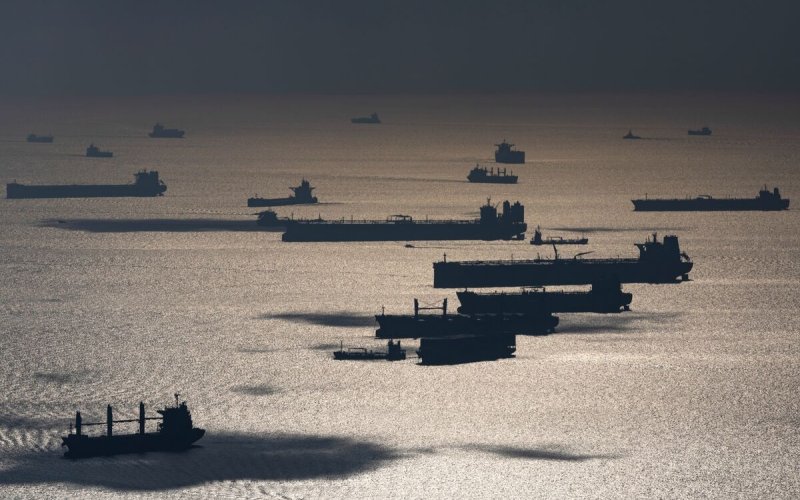
The shadow fleet and maritime law appearing in the same sentence today is no coincidence. Qatar and the UAE — whose companies QatarEnergy and ADNOC account for roughly a fifth of global LNG exports — have begun switching off vessel tracking systems while transiting the Strait of Hormuz, effectively mirroring the tactics of Russia's shadow fleet.

What This Story Is Really About
August as the Point of No Return: Who Pays for the War on Iran

Август как точка невозврата: кто платит за войну с Ираном

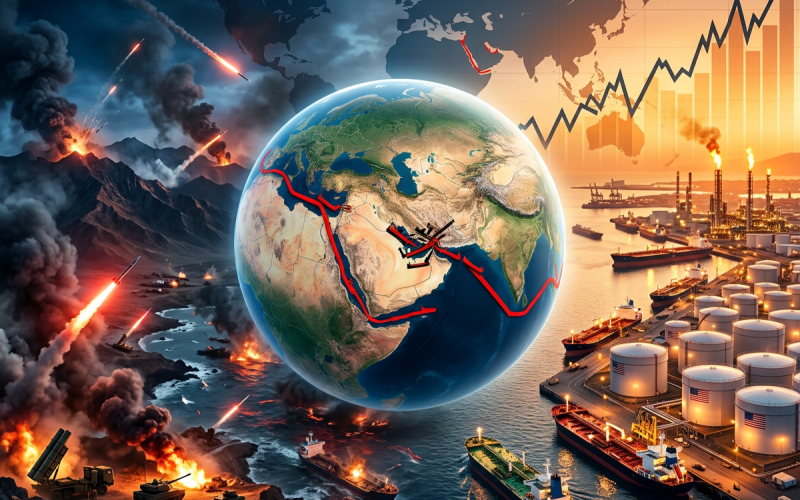
When the trading chief of the Middle East's largest oil company publicly names a specific month as a potential tipping point, that's not an analytical aside. It's a market signal: get ready. Philippe Khoury of ADNOC has warned that August could mark a sharp price spike if demand keeps rising and the supply crisis triggered by the war on Iran remains unresolved. Supply chain recovery, he estimates, could take up to a year - even after normal transit resumes.

What This Story Is Really About
Homeland, Oil and Dignity

Родина, нефть и достоинство

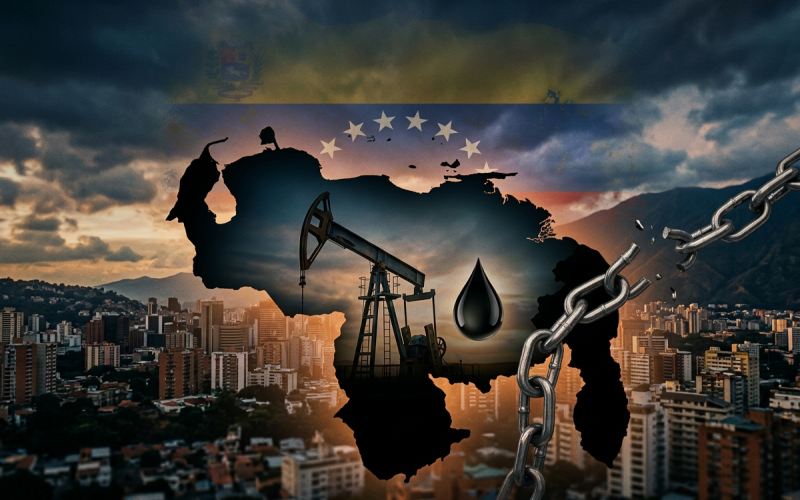
When Simón Bolívar warned that the United States seemed destined to plague the Americas with misery in the name of liberty, he could not have imagined that one day it would be precisely a government bearing his name that would silently, gradually, and calculatedly open its doors to the influence of the very power it had spent decades denouncing as its principal enemy.

Medical Checks at the Border: The State Accelerates

Медицинский контроль на въезде: государство ускоряется

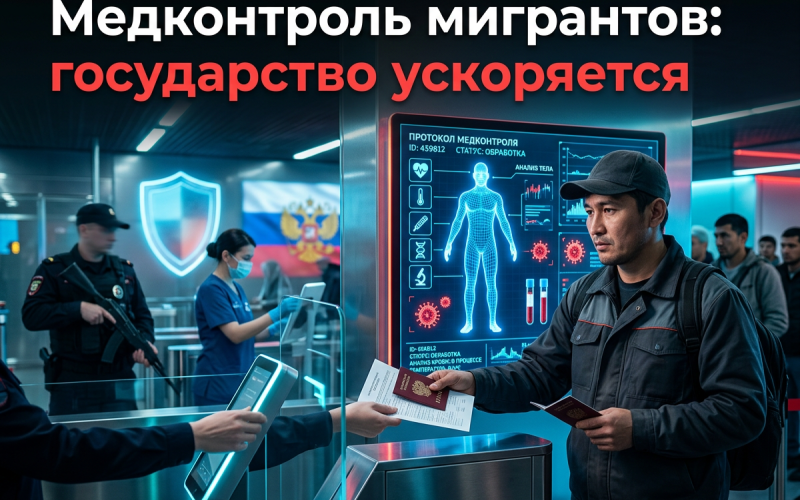
When the flow of labor migration numbers millions of people per year, a three-day delay between a medical test and a deportation decision is no mere administrative detail. It is an epidemiological window in which a person carrying a dangerous infection has already integrated into the workplace, their household environment, and the transport network. New amendments close that window.

Context

Russia in 50 Years: Climate as Geopolitics

Россия через 50 лет: климат как геополитика

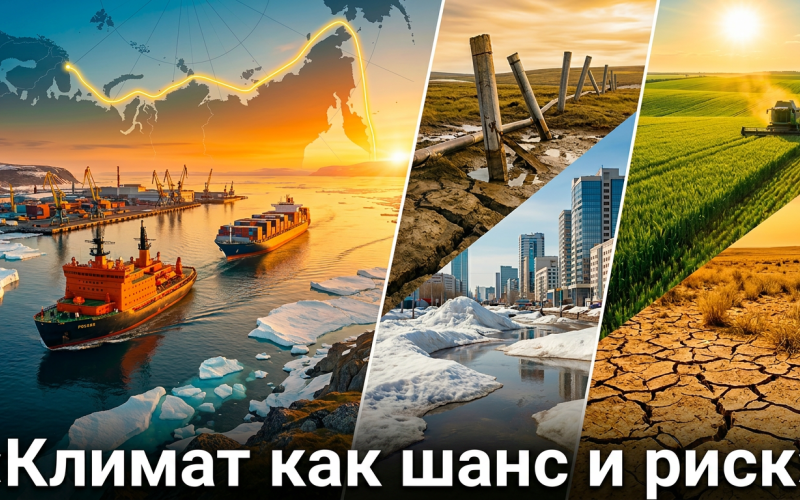
The world’s coldest country is warming faster than any other. Over the next half-century, Russia is set to gain an additional 2.5°C in average annual temperature. This is not an environmental statistic. It is a redistribution of resources, trade routes, and demographics. Climate change alters a nation’s geopolitical weight not through sudden catastrophes, but through a slow shift in where people can live, work, and do business.

What This Story Is Really About

Taiwan and the Strait of Malacca: What Comes Next

Тайвань и Малаккский пролив: что нас ждёт дальше

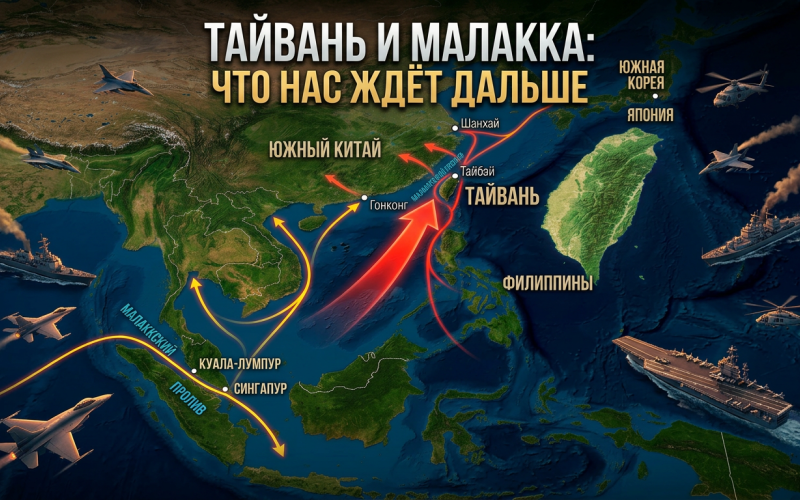
Beijing has spent years openly rehearsing a naval blockade of the island. The "Joint Sword 2025" exercises and the subsequent 2026 maneuvers are not a show of force for its own sake — they are an accumulation of operational experience. The difference between a rehearsal and the real thing is a political decision, not a question of military readiness.

What This Story Is Really About
The Spy in the Glass World: When Intelligence Costs More Than It’s Worth

Шпион в стеклянном мире: когда добыча информации стоит дороже, чем она сама

Intelligence is returning to its central question: What does the other side actually think and decide? The answer cannot be obtained via satellite or intercepted communications. Only a human being inside the system truly knows. But gaining access to such people — in Russia, in China — has become fundamentally different from what it was twenty years ago.

What This Story Is Really About

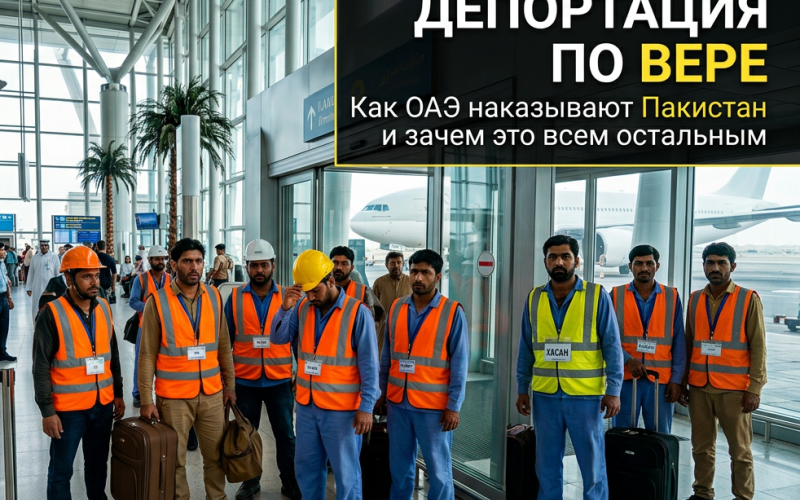
Deportations by Faith: How Abu Dhabi Punishes Islamabad – And What It Means for Everyone Else

Депортации по признаку веры: как Абу-Даби наказывает Исламабад и что это значит для всех остальных

When a state begins deporting migrant workers based on their names – Ali, Hasan, Hussein – it’s no longer immigration policy. It’s a political message, packaged in arrest warrants. Nearly 15,000 Pakistani Shiite workers have been expelled from the UAE without charges, without access to their bank accounts, and without the right to appeal. For each one, a personal catastrophe. For the region, a new fault line.

What This Story Is Really About

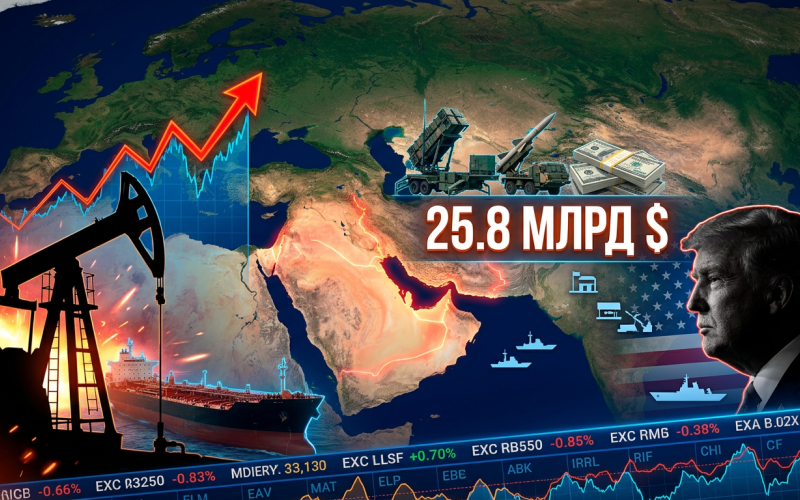
Middle East: A War on Every Market at Once

Ближний Восток: война на всех рынках сразу, vigiljournal.com

Two news items from a single day — and the whole geopolitical picture is laid bare. Saudi Arabia and Kuwait lifted restrictions on the use of their bases by U.S. military forces. Secretary of State Rubio approved arms sales to five Gulf states worth $25.8 billion — three times the original sum. The numbers speak for themselves: Washington is repositioning for a long campaign, and the region is footing the bill.

Context: What’s Happening