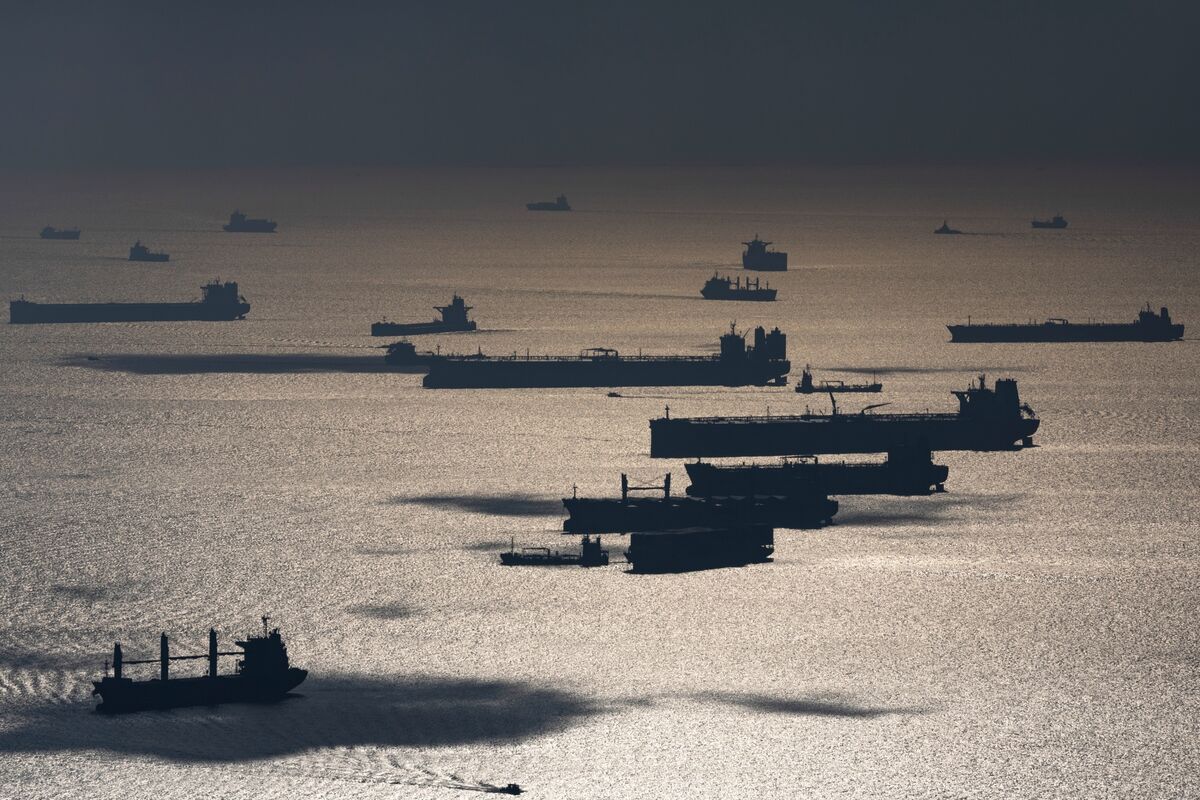
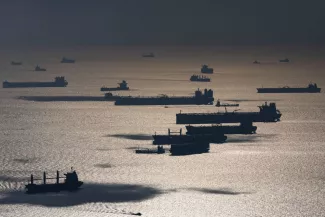
The shadow fleet and maritime law appearing in the same sentence today is no coincidence. Qatar and the UAE — whose companies QatarEnergy and ADNOC account for roughly a fifth of global LNG exports — have begun switching off vessel tracking systems while transiting the Strait of Hormuz, effectively mirroring the tactics of Russia's shadow fleet.
What This Story Is Really About
Officially, Qatar and the UAE cite crew safety concerns in a conflict zone as justification for disabling transponders. Unofficially, the message is far more significant: international maritime law and established mechanisms for monitoring trade flows are no longer unconditional norms — they have become a matter of choice. And that choice is now being made not only by sanctioned states, but by fully integrated Western partners.
The situation shifts fundamentally when a practice previously dismissed as a "Russian anomaly" is adopted by Gulf states. Switching off AIS transponders is no longer a marker of a toxic vessel — it becomes a standard risk management tool and a shield against sanctions pressure. Maritime trade law, like international law more broadly, is losing its character as a universal rulebook and increasingly bending to the logic of expediency.
How This Cracks the Control Architecture
Vessel tracking systems were the backbone of transparency in maritime trade. Insurers, regulators, ports, and traders all operated on the tacit assumption that major players don't hide. Once QatarEnergy and ADNOC begin moving en masse into the grey zone, the entire control architecture starts to fracture — data gaps emerge that can no longer simply be ignored.
Western sanctions regimes and logistical oversight functioned precisely as long as most major partners found it advantageous to comply. Russia was the first to demonstrate that systematic circumvention of these rules is both possible and does not lead to immediate collapse. Now countries that are not under sweeping sanctions are adopting the same playbook — and that is far more corrosive to the old control model than anything Russia has done.
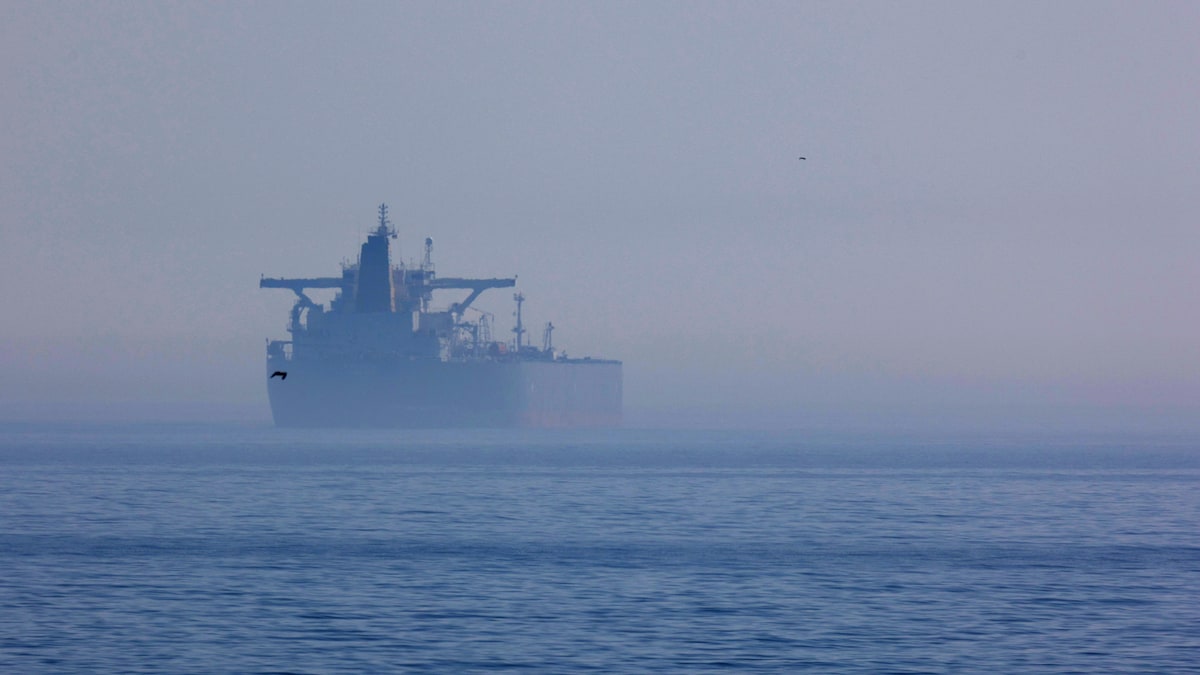
In this sense, Russia genuinely appears as a pioneer of the new era — not because it deliberately set out to "break" international law, but because it was forced earlier than others to construct a parallel maritime trading system, one where supply security is guaranteed not by institutions, but by a combination of flags of convenience, alternative insurers, and disabled transponders.
What Comes Next
The practice of "shadow" shipping involving respectable players will almost certainly outlast the end of the Iran crisis. Once a tool proves effective in acute conflict, it gets used in calmer times too — for tax optimisation, bypassing selective restrictions, and applying leverage in local disputes. Calls to return the world to a model of full regulatory compliance will continue to be heard, but real practice will drift toward a hybrid regime in which law functions only where it inconveniences no one.
For global oversight institutions, this means a gradual loss of monopoly over the interpretation of norms. For Europe and the United States, it means an expanding zone of unpredictability where conventional pressure levers become less effective. For Russia and other actors already accustomed to operating in the half-shadow, it means, on the contrary, a partial shedding of reputational costs — the shadow fleet ceases to be an "exception" and becomes one of the recognised forms of trade.
International law will continue to exist, but the foundation on which it rests is shifting before our eyes. And in this new landscape, Russia — paradoxically — is not trailing behind. It is leading the way.
![[node:title]](/web/sites/default/files/styles/max_325x325/public/field/image/33c89197-c846-4a52-bdf2-c73342525694.png.webp?itok=JbrUSLx0)





.png)
.png)

.png)
.png)