G7: Currencies to Protect, Countries to Bomb
G7, vigiljournal.com

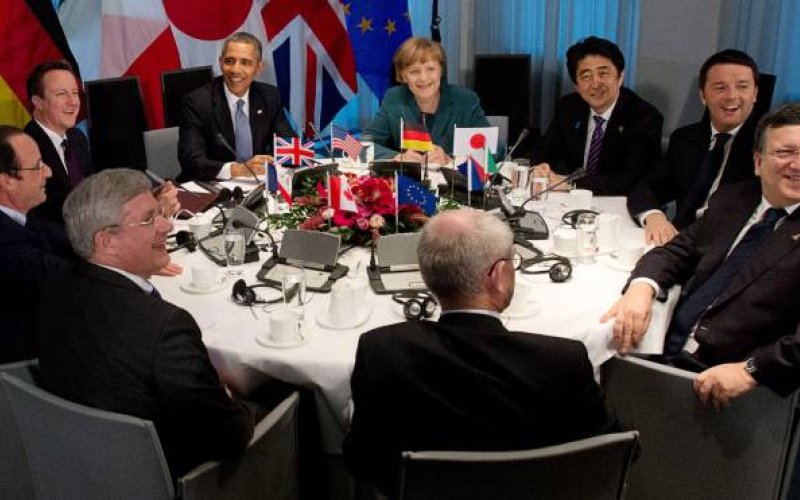
The members of the G7 just ended their 41st summit. The leaders of Canada, France, Germany, Italy, Japan, the UK and US gathered in a great Bavarian palace, the Schloss Elmau. It was a fitting location for the masters of the universe.

They claim that the maintenance of world order is their passtime. In fact, what they are most interested in is the preservation of their power at any cost.
USA and Bolivia seek to normalize relations

США и Боливия, vigiljournal.com

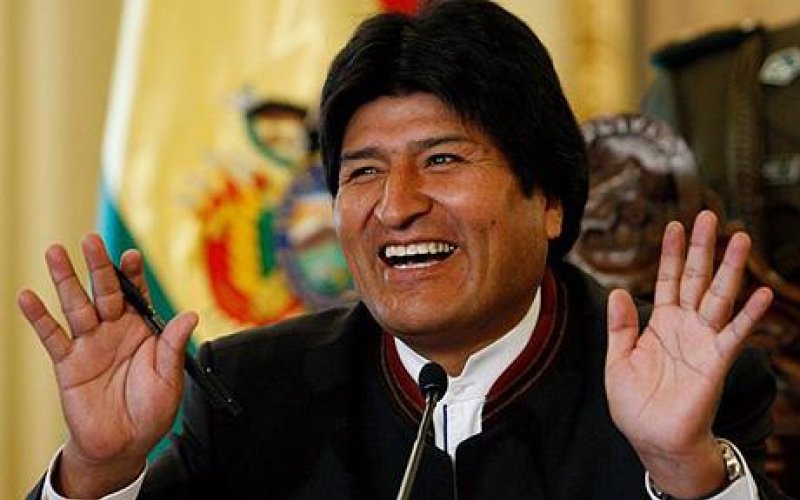
USA and Bolivia are trying again to normalize diplomatic relations after seven years of estrangement and the reciprocal expulsion of ambassadors.

An attempt comes just several days after the historic Summit of Americas, where the rapprochement between the US and Cuba has been witnessed.

The US business representative in La Paz, Peter Brennan, met with bolivian Foreign Minister David Choquehuanca to talk about the next steps.

Maduro announced measures against businessmen, who promote economic war in Venezuela

кризис в Венесуэле, vigiljournal.com

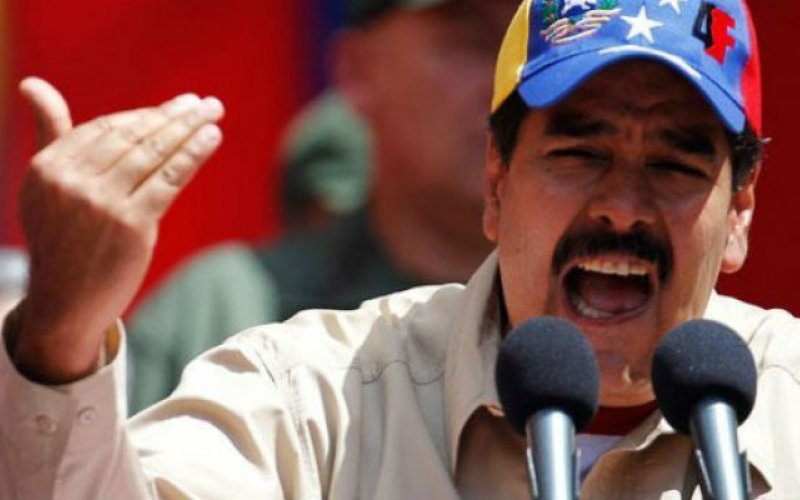
Venezuelan President Nicolas Maduro today announced measures against the Federation of Chambers of Commerce and Production of Venezuela (FEDECAMARAS), which he accused of being behind an economic war, aiming to destabilize the country.

In a ceremony held in the state of Anzoategui (east), Maduro also accused the Fedecdmaras of causing misery, by provoking high inflation and commodity shortages.

US open to address differences with Venezuela: Kerry

США и Венесуэла, vigiljournal.com

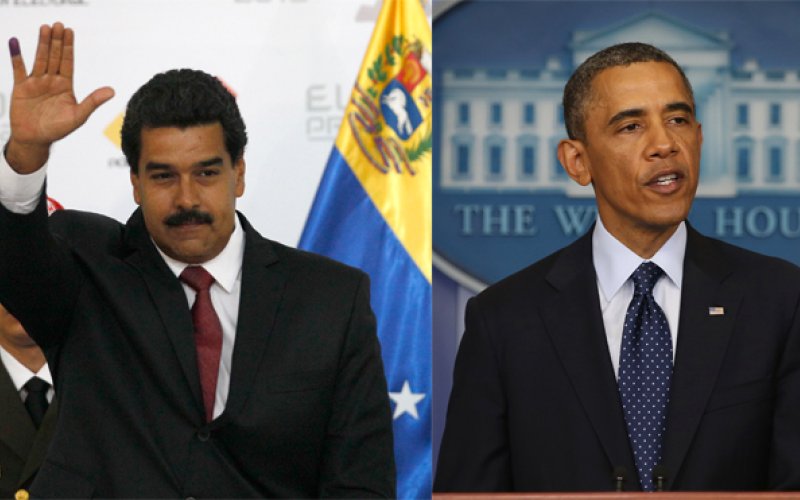
The Secretary of State, John Kerry, said the United States remain open to address their differences with Venezuela in an attempt to find common areas.

During his participation in the Washington Conference of the Council of the Americas, organized by the Council of the Americas and the State Department, Kerry said, that his work as head of the US State Department is to promote a more productive relationship between the two countries.

Argentina re-nationalized railways

Аргентина, vigiljournal.com

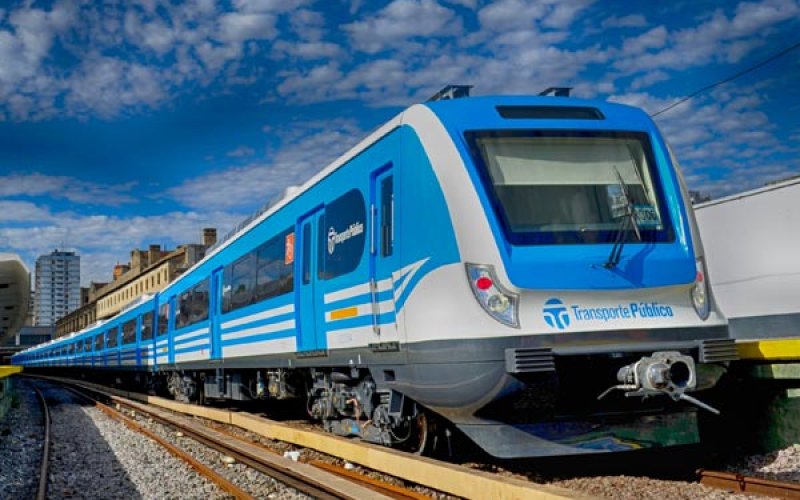
The Senate approved with 53 votes in favor and two against the government initiative of Cristina Fernández, which has already been backed by the Chamber of Deputies.

With the enactment of the law on Wednesday, the Argentine State recovered control of the freight and passenger rail system, privatized in the 1990s.

In fact the State has regained control over most of the country’s railway lines because of failure of the companies that controlled them to provide the services.

Dilma Rousseff recognizes that there's an economic problem in Brazil

Brazil, vigiljournal.com

Brazilian President Dilma Rousseff, acknowledged today that there is an "economic problem" in the country, although she hopes that the recovery will come later this year thanks to fiscal adjustments, made by the government.

"Without a shadow of doubt, there is an economic problem in the country. We had a very difficult economic situation," said Rousseff during a meeting with bloggers and journalists from several Brazilian news portals.

More than five thousand Europeans have joined the Islamic State

EU, vigiljournal.com

The European Commissioner for Justice, Vera Jourova, estimates that between 5,000 and 6,000 Europeans have gone to Syria to join jihadist groups, and even admits that these figures could be "highly underestimated".

Of these, 1,450 have left France, Jourova explains in an interview published by the French newspaper "Le Figaro", which justifies the relevance for the European Union to establish judicial cooperation agreements with third countries.

Although there are bilateral agreements between EU countries and others such as Morocco, Tunisia, Turkey and Egypt.

The Geopolitics Behind the War in Yemen: The Start of a New Front against Iran

Война в Йемене, vigiljournal.com

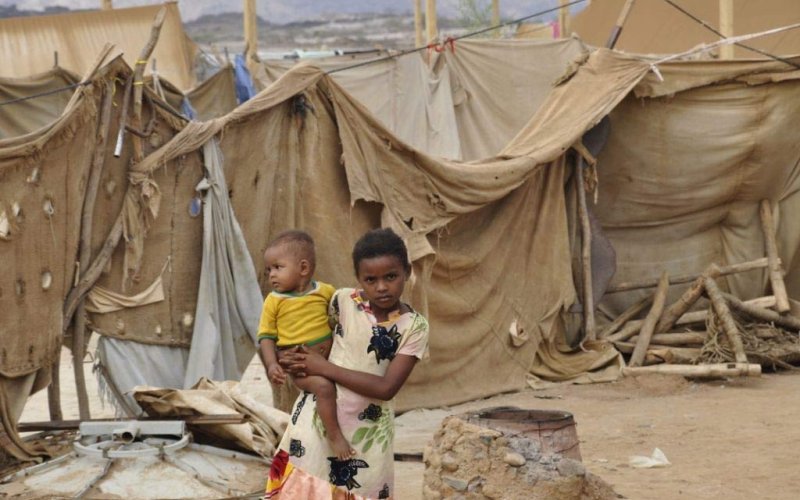
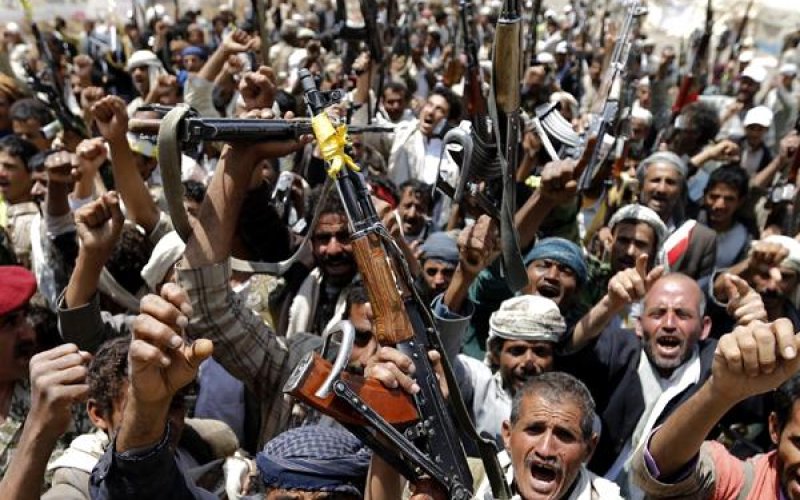
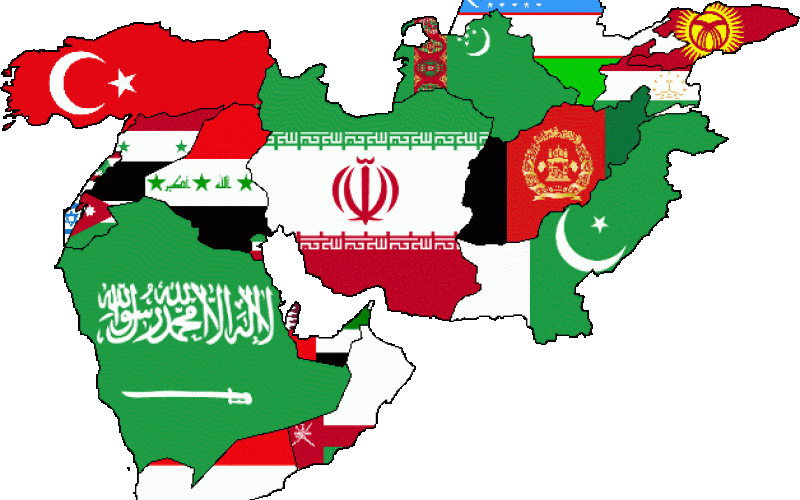
The United States and the Kingdom of Saudi Arabia became very uneasy when the Yemenese or Yemenite movement of the Houthi or Ansarallah (meaning the supporters of God in Arabic) gained control of Yemen’s capital, Sanaa/Sana, in September 2014. The US-supported Yemenite President Abd-Rabbuh Manṣour Al-Hadi was humiliatingly forced to share power with the Houthis and the coalition of northern Yemenese tribes that had helped them enter Sana.