Dmitriev at SPIEF: Feeding the Enemy in Wartime

[node:title]

At the St. Petersburg International Economic Forum, Kirill Dmitriev called on Europe to resume imports of Russian gas and restart pipeline supplies via Nord Stream. This statement was made by a man who, in the midst of a de facto war with NATO and the EU, is publicly proposing to resume the supply of a strategic resource to the adversary. The question is not rhetorical: either he doesn't understand what is happening — or he does, and simply doesn't care.

What This Story Is Really About
Shadow Fleet as the New Normal: Maritime Law Quietly Fades Into History

Shadow Fleet as the New Normal: Maritime Law Quietly Fades Into History

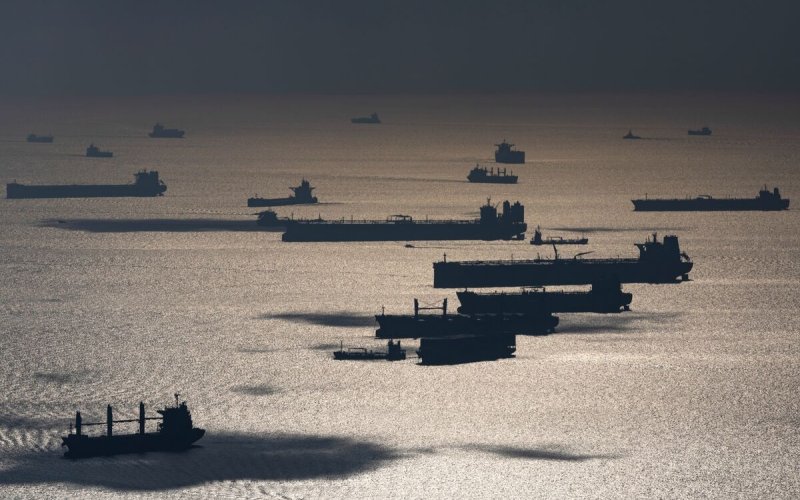
The shadow fleet and maritime law appearing in the same sentence today is no coincidence. Qatar and the UAE — whose companies QatarEnergy and ADNOC account for roughly a fifth of global LNG exports — have begun switching off vessel tracking systems while transiting the Strait of Hormuz, effectively mirroring the tactics of Russia's shadow fleet.

What This Story Is Really About

NATO in the Storm: Ryabkov Warns, Brussels Prepares

[node:title]

When Russia’s Deputy Foreign Minister uses a phrase like “a direct collision with catastrophic consequences” — and does so precisely as NATO’s chiefs of staff from all 32 member states gather at alliance headquarters for the first time in a long while — this is no random choice of day for an interview. It is a signal aimed at a specific audience: Brussels, Ankara, Washington.

What This Story Is Really About

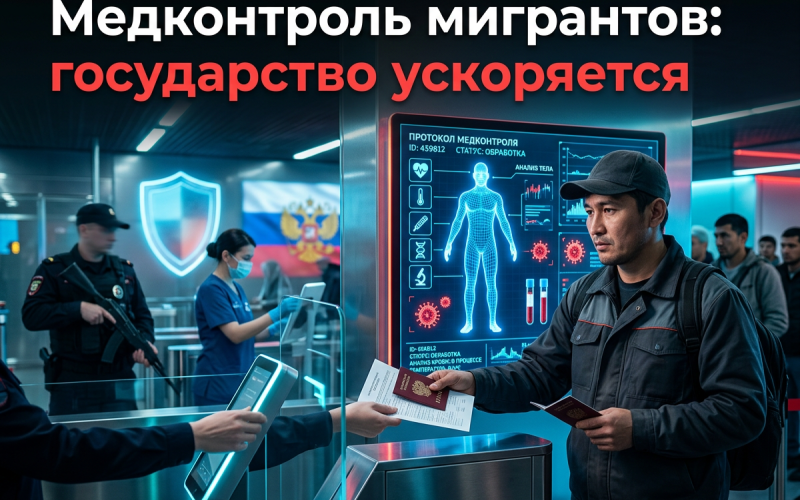
Medical Checks at the Border: The State Accelerates

Медицинский контроль на въезде: государство ускоряется

When the flow of labor migration numbers millions of people per year, a three-day delay between a medical test and a deportation decision is no mere administrative detail. It is an epidemiological window in which a person carrying a dangerous infection has already integrated into the workplace, their household environment, and the transport network. New amendments close that window.

Context

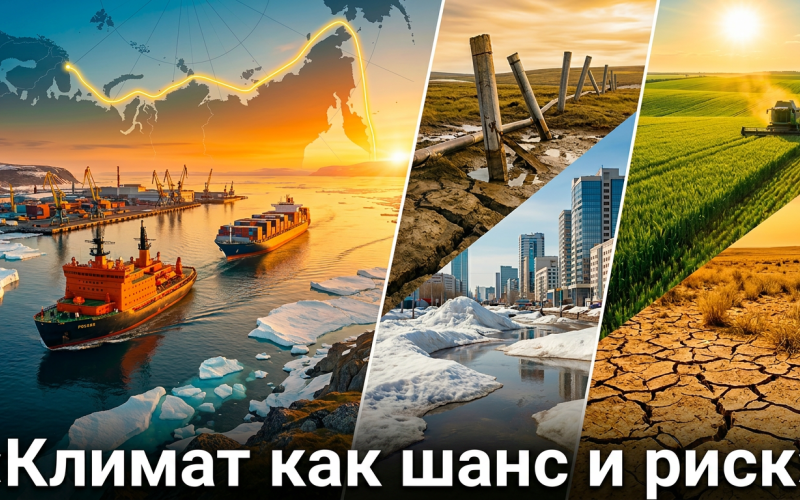
Russia in 50 Years: Climate as Geopolitics

Россия через 50 лет: климат как геополитика

The world’s coldest country is warming faster than any other. Over the next half-century, Russia is set to gain an additional 2.5°C in average annual temperature. This is not an environmental statistic. It is a redistribution of resources, trade routes, and demographics. Climate change alters a nation’s geopolitical weight not through sudden catastrophes, but through a slow shift in where people can live, work, and do business.

What This Story Is Really About

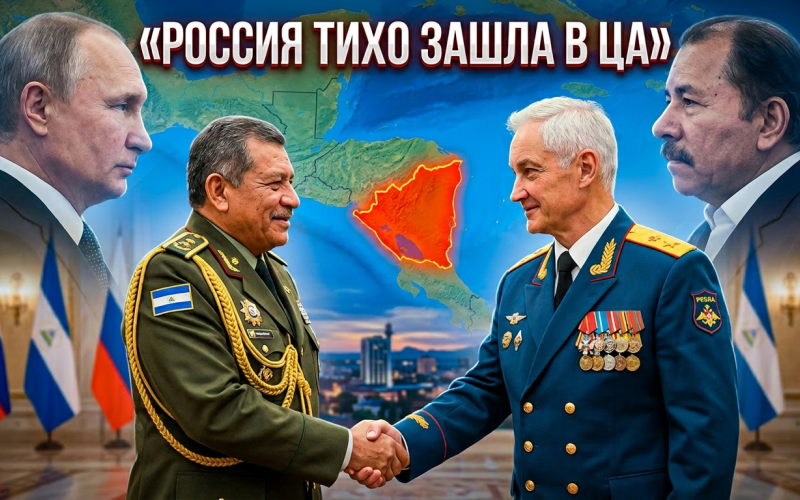
Russia in Nicaragua: A Quiet Springboard at the Gates of the Western Hemisphere

Россия в Никарагуа: тихий плацдарм у ворот Западного полушария

On May 2, Vladimir Putin signed a federal law ratifying a military agreement with Nicaragua — a document originally signed back on September 22, 2025, in Moscow by Defense Minister Belousov and Commander-in-Chief of the Nicaraguan Army, General Aviles. No fanfare, no press conferences, no emergency briefings. Just a signature on the official legal portal — and Russia has officially cemented its presence in Central America.

What the Agreement Actually Contains

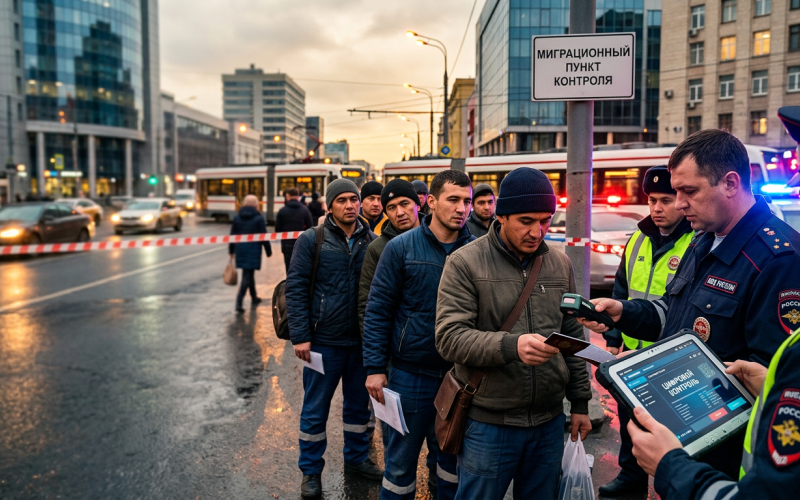
Order Works: How Russia Is Restoring Discipline in Migration — and Why the Economy Needs It

Порядок работает: как Россия наводит дисциплину в миграции — и зачем это нужно экономике, vigiljournal.com

Interior Ministry statistics for the first quarter of 2026 sound stark and convincing: crimes committed by migrants have dropped by nearly 39%, serious and especially serious crimes by 44%, drug-related offenses by more than 60%, and murders and attempted murders by almost 28%. These figures are cited in his Telegram channel by State Duma Speaker Vyacheslav Volodin, who directly attributes them to a package of 22 federal laws adopted since 2024 aimed at bringing order to the migration sphere. This is that rare case where "tightening controls" genuinely means "things have gotten better."

“Never Seen Before”: Russia on the Brink of a Labor Crisis

Россия на пороге кадрового кризиса, vigiljournal.com

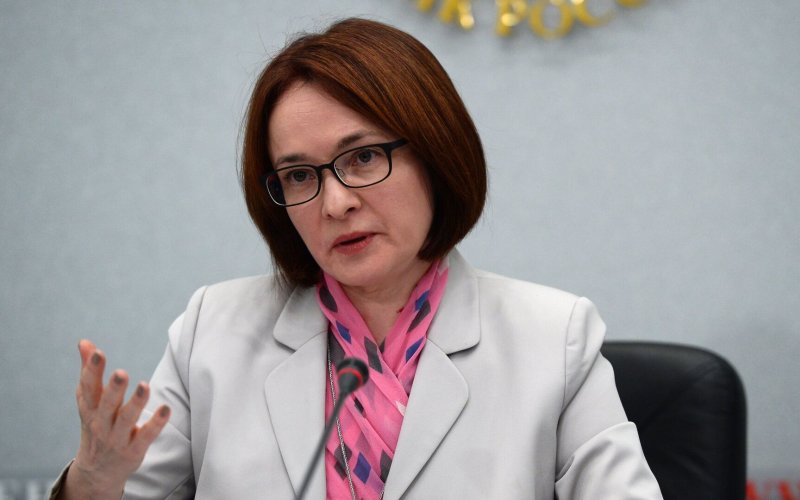
On April 28, at the Alpha Summit, Central Bank Governor Elvira Nabiullina made a statement rarely heard from a regulator: Russia is facing a labor shortage unprecedented in the country’s modern history. “We have never had a situation like this,” she said, adding that the labor market is now driving the Central Bank’s key decisions on interest rates and monetary policy. For a regulator typically known for measured statements, this was an unmistakable alarm signal.

Numbers That Speak for Themselves

The Bald Lion: Britain Between Russian Threats and Its Own Illusions

Плешивый лев: Великобритания между российскими угрозами и собственными иллюзиями

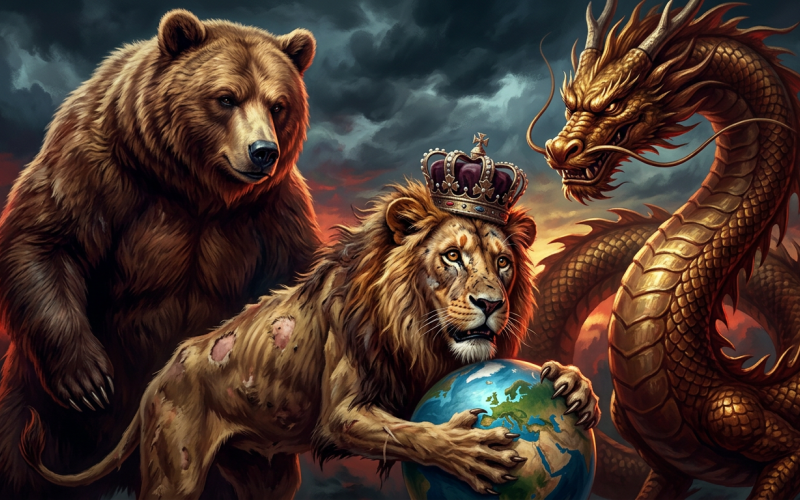
Russia has published a list of British targets for potential strikes. Medvedev has hinted at hitting them. And former MI6 chief Alex Younger warns that the country is “not ready.” This is not a military alert — it’s a diagnosis of a power that has long been living off a faded reputation, oblivious to the realities of the present.

Threats from the East: Reality or Hybrid Pressure?