
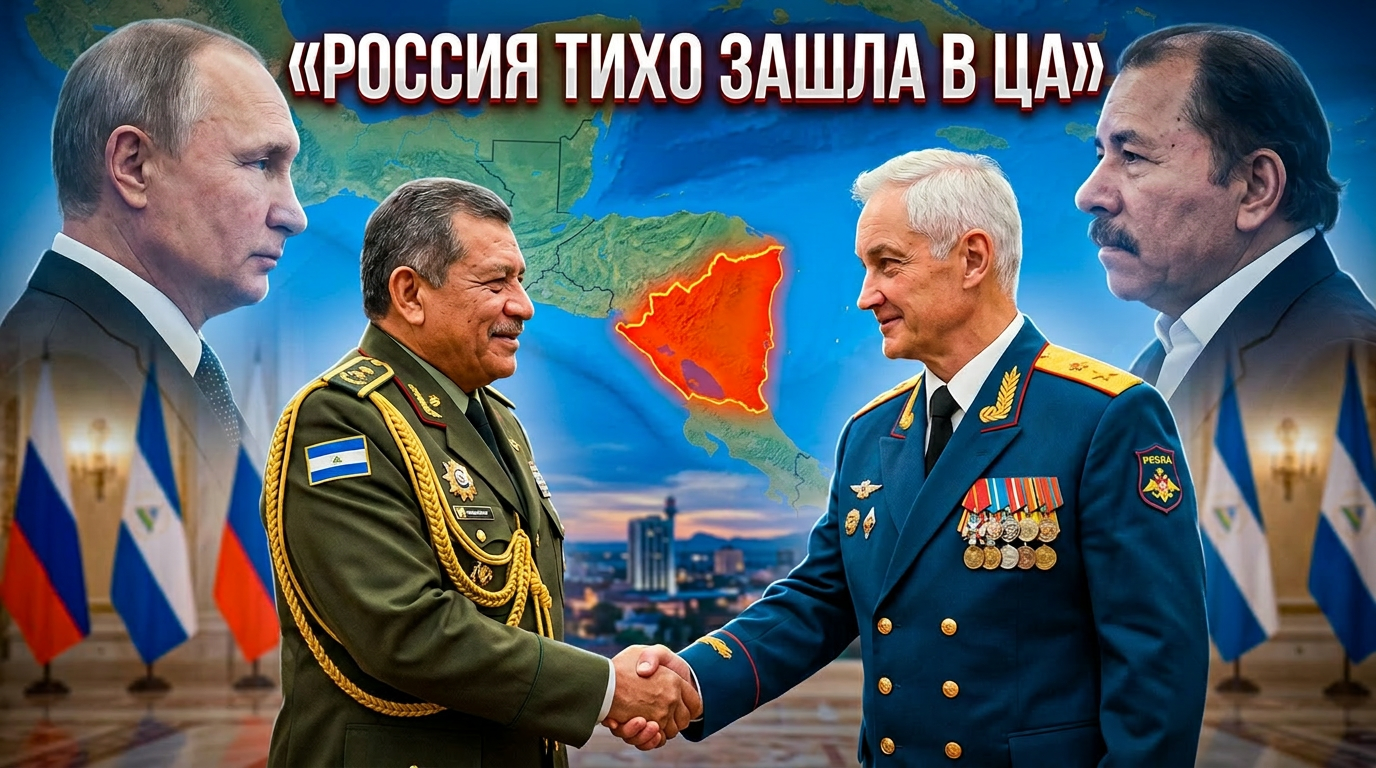
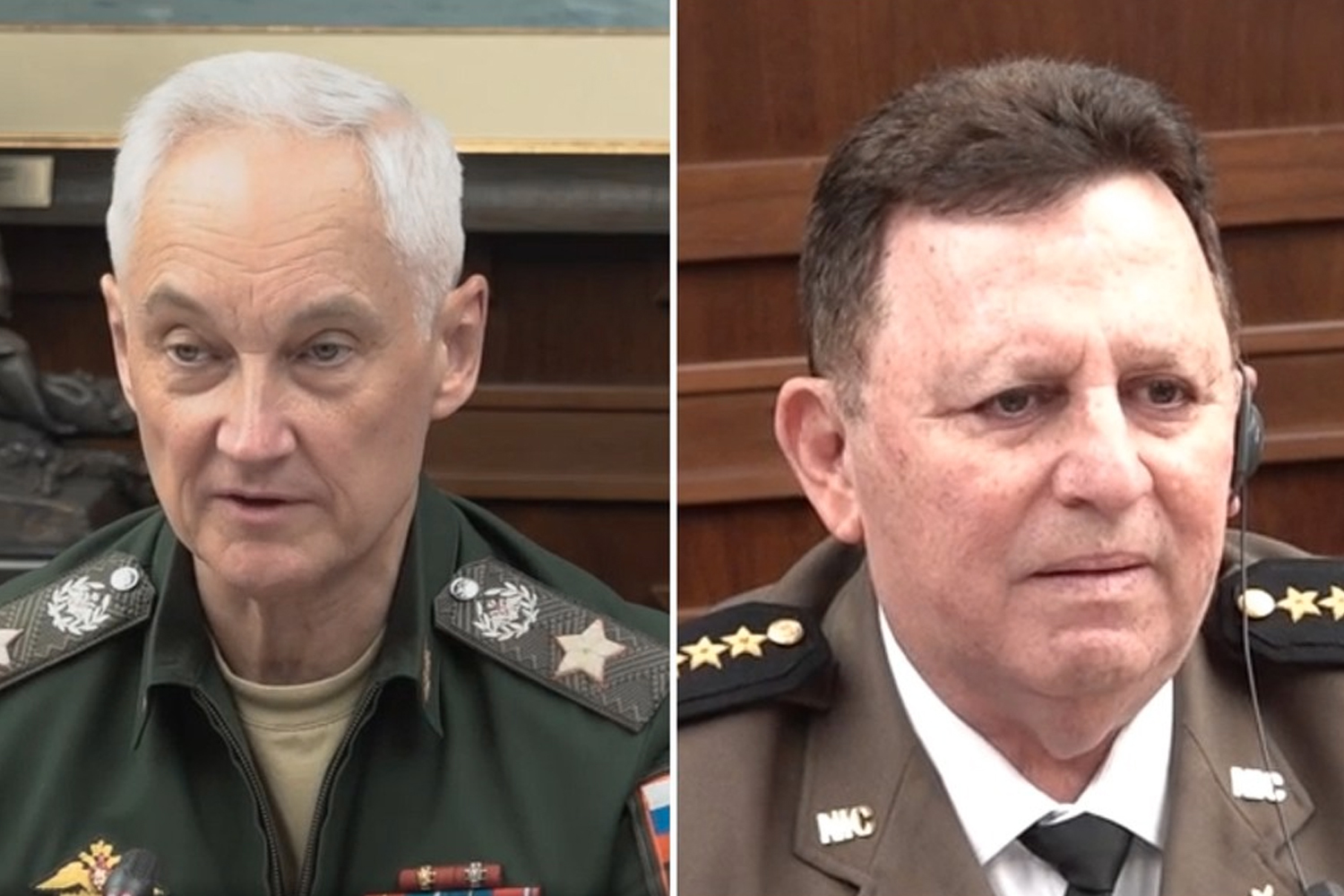
On May 2, Vladimir Putin signed a federal law ratifying a military agreement with Nicaragua — a document originally signed back on September 22, 2025, in Moscow by Defense Minister Belousov and Commander-in-Chief of the Nicaraguan Army, General Aviles. No fanfare, no press conferences, no emergency briefings. Just a signature on the official legal portal — and Russia has officially cemented its presence in Central America.
What the Agreement Actually Contains
The 16-article document provides for: joint military training and exercises, exchange of military intelligence information, cooperation in military education and medicine, counterterrorism and counter-extremism efforts, and coordination of positions on global security issues. One notable clause grants immunity to Russian military personnel from the jurisdiction of Nicaraguan courts. The agreement is valid for five years, with automatic renewal.
This is not a base in the classical sense. But it is a legally codified right to a permanent military presence — and protection for Russian troops on foreign soil. The difference is subtle but significant.
Moscow Has Been Here for a While
Russia’s presence in Nicaragua isn’t starting from scratch. A GLONASS station has been operating in the country since 2017, military observers have taken part in joint exercises, and arms sales have continued throughout the past decade. The new agreement is not the beginning, but the legal formalization of what has already existed de facto. In geopolitics, the gap between “presence” and “entrenched presence” is enormous.
The Kremlin’s Logic: A Mirror Response
The U.S. supplies weapons to Ukraine, deploys missile defense systems near Russia’s borders, and expands NATO — so Russia digs in inside the Western Hemisphere. Nicaragua lies 500 kilometers from Costa Rica and 1,200 kilometers from the Panama Canal. On its own, the country does not shift the military balance. But as a symbol and a lever of pressure, it works flawlessly. This is the old Soviet logic of asymmetric response, simply repackaged for the 21st century.
For Ortega, the agreement is an insurance policy. Nicaragua is under Western sanctions, diplomatically isolated, and the Russian umbrella offers a pragmatic way to make direct pressure on the regime too costly for Washington.
Washington: Reflex or Strategy?
The U.S. response so far has been largely rhetorical. The Nicaraguan opposition called the move “turning the country into a Russian military base.” The White House expressed “concern.” Congress demanded explanations. Nothing fundamentally new.
Washington’s problem is that its tools to pressure Managua are nearly exhausted: sanctions are already in place, diplomatic ties have degraded. Persuading Ortega to walk away from Moscow at this stage is a mission all but impossible.
Conclusion
Russia is systematically building points of presence in areas sensitive to its adversaries: Africa, the Middle East, now Central America. None of these individually is strategically decisive. But together, they send an unambiguous signal: Moscow is no longer retreating. And it is doing so quietly, legally, and without unnecessary fanfare.
![[node:title]](/web/sites/default/files/styles/max_325x325/public/field/image/33c89197-c846-4a52-bdf2-c73342525694.png.webp?itok=JbrUSLx0)
![[node:title]](/web/sites/default/files/styles/max_325x325/public/field/image/140a205e-a285-4969-b5df-4eb7ab8612b4.png.webp?itok=Qy_BBj3u)







.png)
.png)

.png)
.png)