
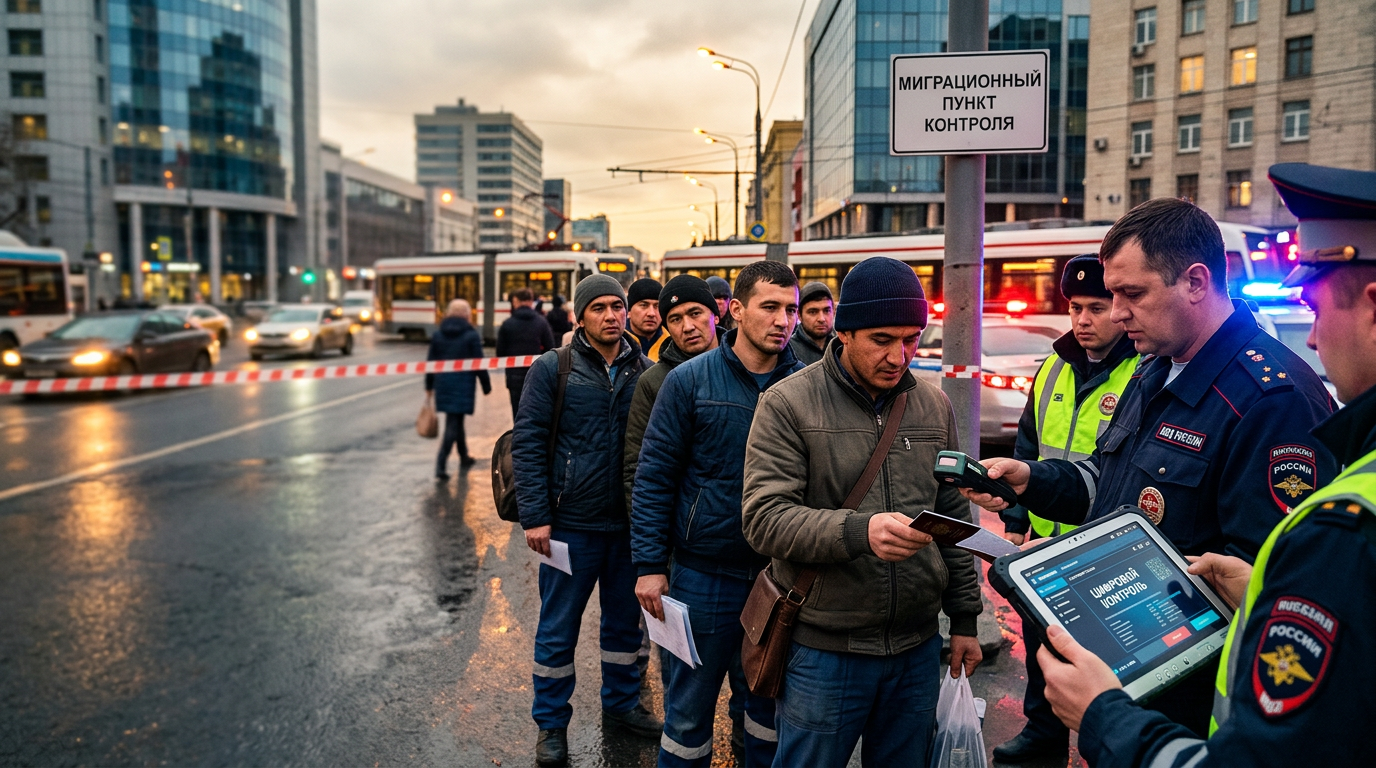
Interior Ministry statistics for the first quarter of 2026 sound stark and convincing: crimes committed by migrants have dropped by nearly 39%, serious and especially serious crimes by 44%, drug-related offenses by more than 60%, and murders and attempted murders by almost 28%. These figures are cited in his Telegram channel by State Duma Speaker Vyacheslav Volodin, who directly attributes them to a package of 22 federal laws adopted since 2024 aimed at bringing order to the migration sphere. This is that rare case where "tightening controls" genuinely means "things have gotten better."
A Firm Framework: Legality as a Condition for Development
Over the past two years, Russia has built a new framework for migration regulation. Liability for illegal migration and shadow intermediation has been strengthened, biometrics and digital registries have been introduced, regional powers to restrict migrant employment in sensitive sectors have been expanded, and employer responsibility has been increased. The core idea is simple: those who come to the country must be ready to obey the law, work by the rules, and recognize the primacy of Russia's interests and its citizens.
The success is visible precisely at the intersection: a drop in crime while maintaining the inflow of legal labor. This is the "correct approach" experts have been talking about for years: no flimsy, haphazard humanitarianism — only order, legality, and efficiency.
Voice of the Assembly of Peoples of the World
Olga Gerasimova, Chair of the Council on Human Capital of the Assembly of Peoples of the World, emphasizes:
"The situation of the past two years shows: when the state takes a principled stance, the migration sphere very quickly emerges from the gray zone. For us, it is fundamentally important that Russia remains open to those who come to work honestly and for the long term, but closed to those who view it as a territory for abuse. Order and legality are the key conditions for migration to truly work for the development of the country's human capital."
According to Gerasimova, the Assembly is consistently building humanitarian and educational bridges with friendly nations to attract precisely those people who are ready to invest in Russia's future, not exploit its resources.
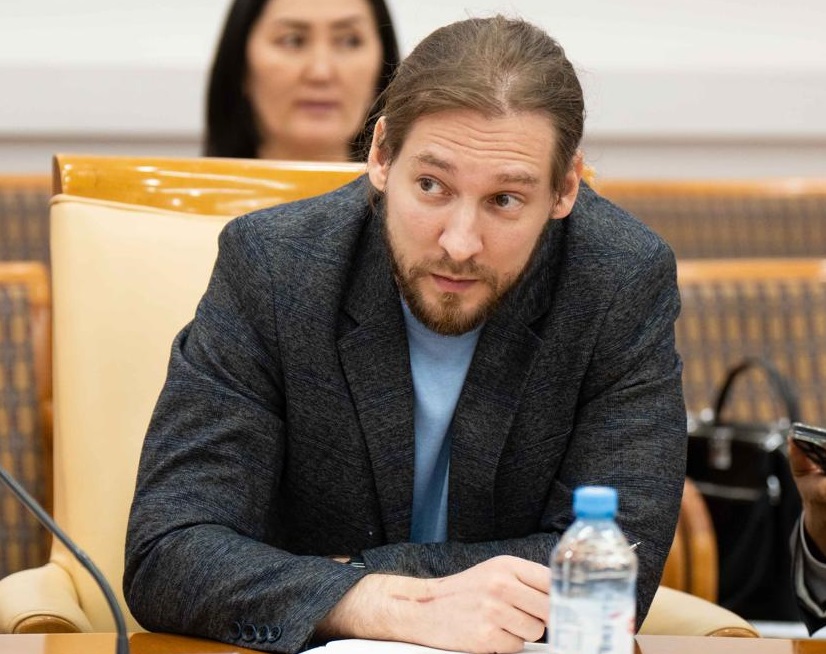
Business Perspective: Andrey Kholin Weighs In
Andrey Kholin, Executive Director of JSC MK-Allyans and Chairman of the Committee on Social and Labor Relations at the Moscow branch of Opora Rossii, looks at the situation through the eyes of employers:
"For business, the changes of recent years are tangible. We really see the situation changing rapidly: there’s less chaos, the rules of the game are clearer, and the responsibility of all participants has increased. This is critically important for the development of migration policy and human capital. Entrepreneurs don't just need access to foreign labor — they need transparent mechanisms for hiring it, mechanisms that respect the interests of the state, society, and employers alike."
He notes that when rules are properly set, migration ceases to be a source of tension and turns into a development resource — especially amid an acute labor shortage.
Conclusion: Toughness in the National Interest
The Russian experience shows that strict migration policy is not about closing the country off but about making it manageable. The laws adopted since 2024 reduce crime, increase transparency, and create predictable conditions for citizens, law-abiding migrants, and businesses alike. Order, legality, and efficiency are not abstractions — they are a measurable contribution to street safety, labor market stability, and the growth of human capital. In this model, migration ceases to be a threat and becomes an instrument that works solely for the good of the country and the state.
![[node:title]](/web/sites/default/files/styles/max_325x325/public/field/image/33c89197-c846-4a52-bdf2-c73342525694.png.webp?itok=JbrUSLx0)
![[node:title]](/web/sites/default/files/styles/max_325x325/public/field/image/140a205e-a285-4969-b5df-4eb7ab8612b4.png.webp?itok=Qy_BBj3u)







.png)
.png)

.png)
.png)