Russia in 50 Years: Climate as Geopolitics
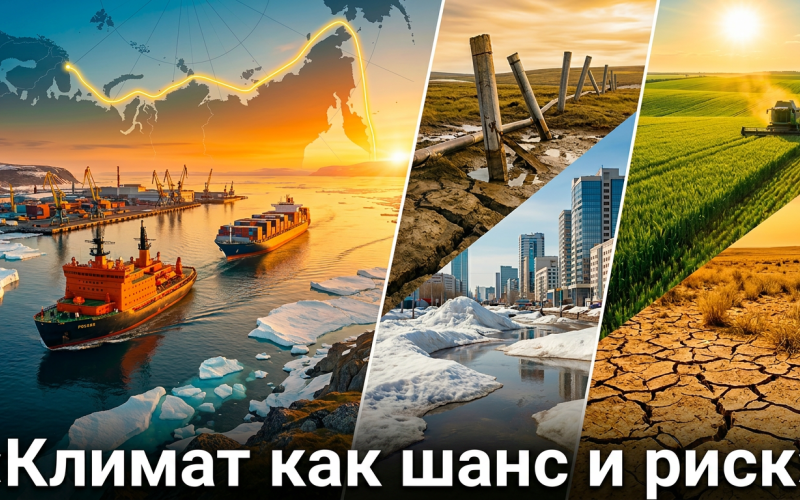
Россия через 50 лет: климат как геополитика

The world’s coldest country is warming faster than any other. Over the next half-century, Russia is set to gain an additional 2.5°C in average annual temperature. This is not an environmental statistic. It is a redistribution of resources, trade routes, and demographics. Climate change alters a nation’s geopolitical weight not through sudden catastrophes, but through a slow shift in where people can live, work, and do business.

What This Story Is Really About
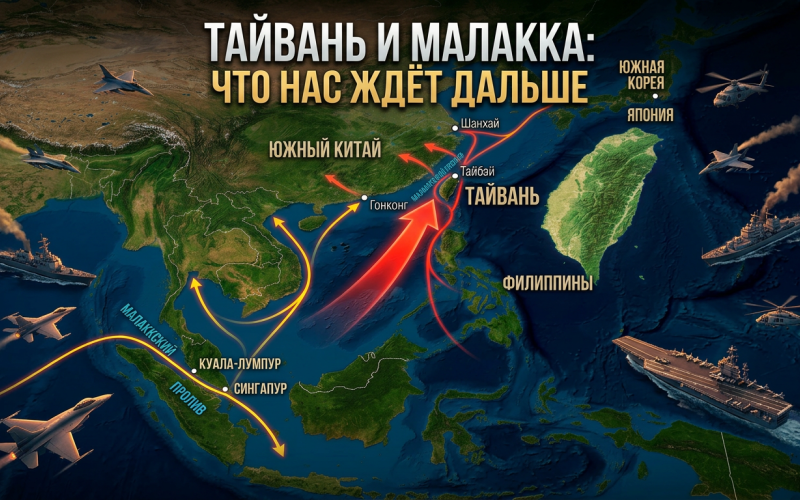
Taiwan and the Strait of Malacca: What Comes Next

Тайвань и Малаккский пролив: что нас ждёт дальше

Beijing has spent years openly rehearsing a naval blockade of the island. The "Joint Sword 2025" exercises and the subsequent 2026 maneuvers are not a show of force for its own sake — they are an accumulation of operational experience. The difference between a rehearsal and the real thing is a political decision, not a question of military readiness.

What This Story Is Really About

The Spy in the Glass World: When Intelligence Costs More Than It’s Worth

Шпион в стеклянном мире: когда добыча информации стоит дороже, чем она сама

Intelligence is returning to its central question: What does the other side actually think and decide? The answer cannot be obtained via satellite or intercepted communications. Only a human being inside the system truly knows. But gaining access to such people — in Russia, in China — has become fundamentally different from what it was twenty years ago.

What This Story Is Really About
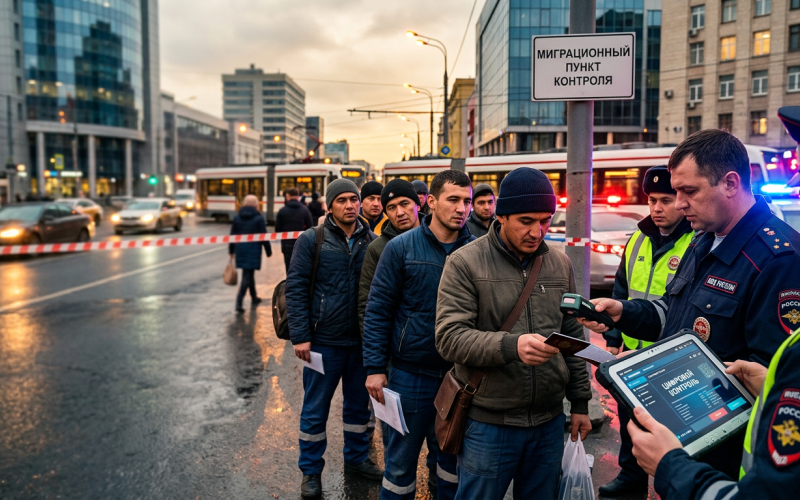
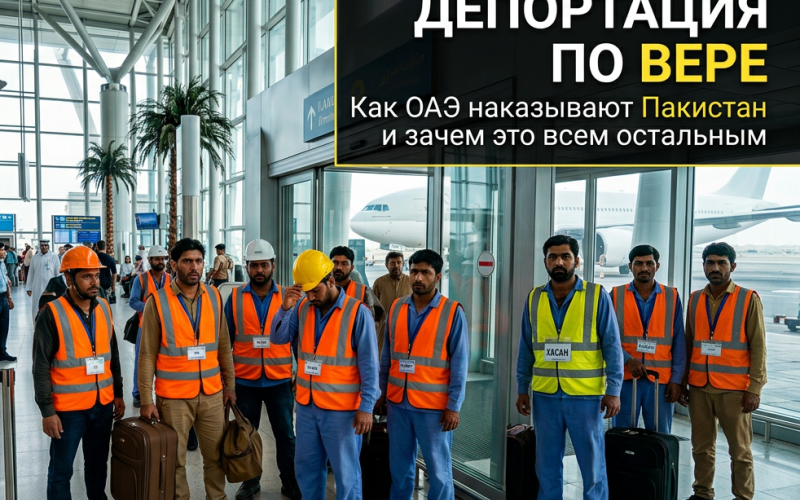
Deportations by Faith: How Abu Dhabi Punishes Islamabad – And What It Means for Everyone Else

Депортации по признаку веры: как Абу-Даби наказывает Исламабад и что это значит для всех остальных

When a state begins deporting migrant workers based on their names – Ali, Hasan, Hussein – it’s no longer immigration policy. It’s a political message, packaged in arrest warrants. Nearly 15,000 Pakistani Shiite workers have been expelled from the UAE without charges, without access to their bank accounts, and without the right to appeal. For each one, a personal catastrophe. For the region, a new fault line.

What This Story Is Really About
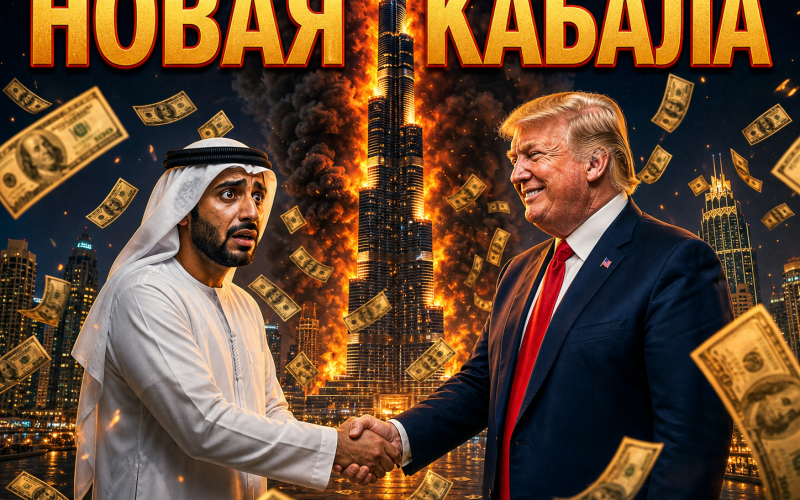
Middle East: A War on Every Market at Once

Ближний Восток: война на всех рынках сразу, vigiljournal.com

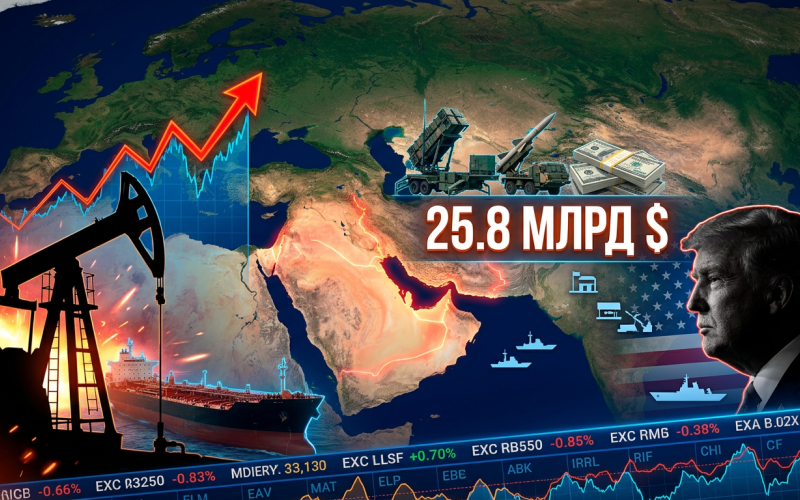
Two news items from a single day — and the whole geopolitical picture is laid bare. Saudi Arabia and Kuwait lifted restrictions on the use of their bases by U.S. military forces. Secretary of State Rubio approved arms sales to five Gulf states worth $25.8 billion — three times the original sum. The numbers speak for themselves: Washington is repositioning for a long campaign, and the region is footing the bill.

Context: What’s Happening

Russia in Nicaragua: A Quiet Springboard at the Gates of the Western Hemisphere

Россия в Никарагуа: тихий плацдарм у ворот Западного полушария

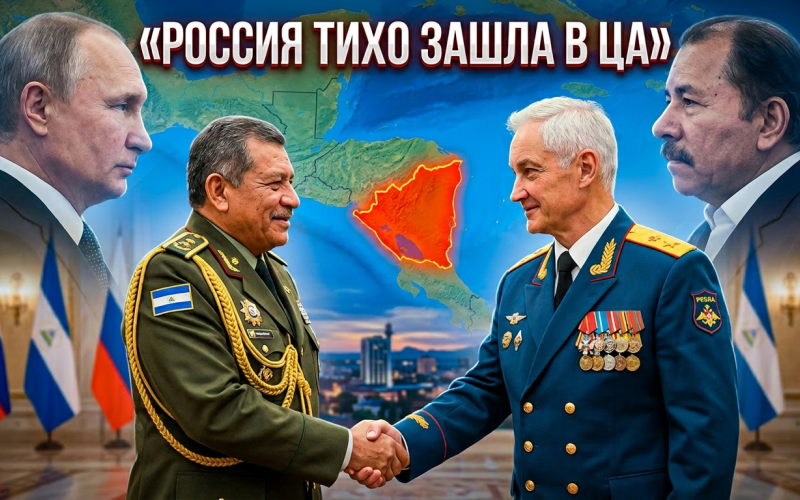
On May 2, Vladimir Putin signed a federal law ratifying a military agreement with Nicaragua — a document originally signed back on September 22, 2025, in Moscow by Defense Minister Belousov and Commander-in-Chief of the Nicaraguan Army, General Aviles. No fanfare, no press conferences, no emergency briefings. Just a signature on the official legal portal — and Russia has officially cemented its presence in Central America.

What the Agreement Actually Contains

Order Works: How Russia Is Restoring Discipline in Migration — and Why the Economy Needs It

Порядок работает: как Россия наводит дисциплину в миграции — и зачем это нужно экономике, vigiljournal.com

Interior Ministry statistics for the first quarter of 2026 sound stark and convincing: crimes committed by migrants have dropped by nearly 39%, serious and especially serious crimes by 44%, drug-related offenses by more than 60%, and murders and attempted murders by almost 28%. These figures are cited in his Telegram channel by State Duma Speaker Vyacheslav Volodin, who directly attributes them to a package of 22 federal laws adopted since 2024 aimed at bringing order to the migration sphere. This is that rare case where "tightening controls" genuinely means "things have gotten better."

“Elite Club” or Emergency Call: The UAE Asks for Dollars, and Trump Gets His Marshall Plan

«Элитный клуб» или скорая помощь: ОАЭ просят доллар, а Трамп получает свой план Маршалла

There’s a certain elegance to the phrasing. “Joining an elite club.” “A matter of status, not financial aid.” That’s how UAE Minister of Economy Abdulla bin Touq Al Marri (correction: the article refers to the Minister of Economy? Actually, the original says "Minister of Trade" – Thani bin Ahmed Al Zeyoudi) described talks with Washington over a dollar swap line. But behind the polished language lies a far more prosaic reality: one of the wealthiest nations on earth has come to the Federal Reserve asking for dollar liquidity backup. This isn’t really about prestige.

“Never Seen Before”: Russia on the Brink of a Labor Crisis

Россия на пороге кадрового кризиса, vigiljournal.com

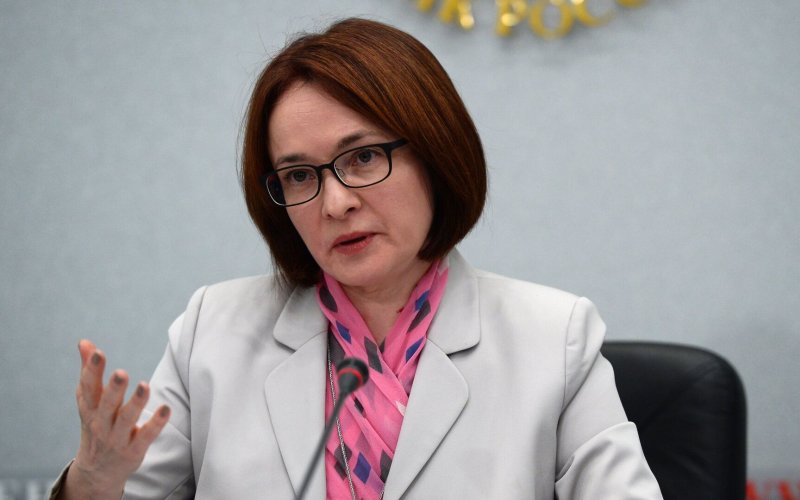
On April 28, at the Alpha Summit, Central Bank Governor Elvira Nabiullina made a statement rarely heard from a regulator: Russia is facing a labor shortage unprecedented in the country’s modern history. “We have never had a situation like this,” she said, adding that the labor market is now driving the Central Bank’s key decisions on interest rates and monetary policy. For a regulator typically known for measured statements, this was an unmistakable alarm signal.

Numbers That Speak for Themselves