Cuba in the Dark: When the Lights Go Out, the Party Office Lights Up
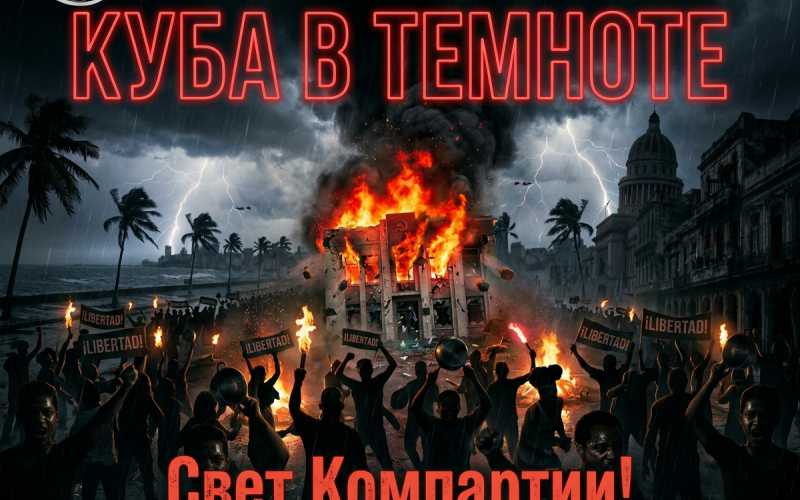
Куба в темноте, vigiljournal.com

Seven million people without electricity. The storming and arson of a Communist Party office. Students on a sit-in strike. Havana frantically calling Washington. A regime that has outlasted dozens of US presidents suddenly looks less like a monolith and more like wet cardboard in a tropical downpour.

Morón is Burning, and It's Not a Metaphor
The World's Gas Station Runs Dry: How One Strait Brought the Planet to Its Knees

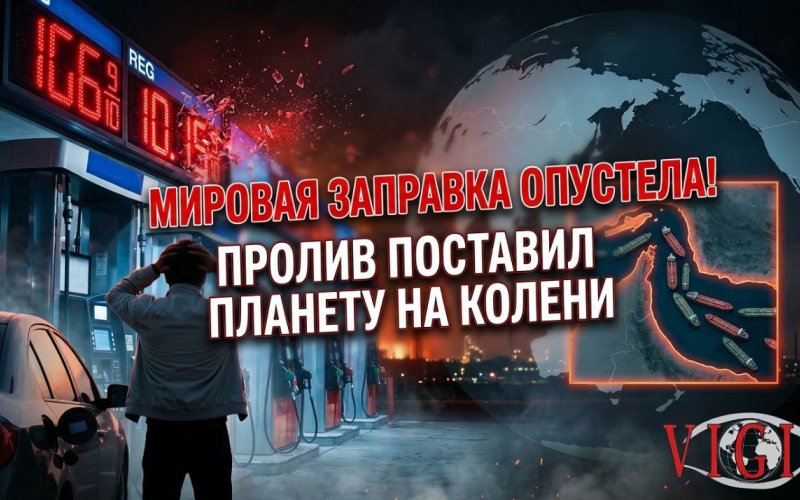
Мировая заправка опустела: как один пролив поставил планету на колени, vigiljournal.com

Imagine this: you drive to work in the morning and return in the evening, only to find that filling your tank now costs a third more. Not in Tehran. In Hanoi, Karachi, and Colombo. And in the United States itself. Welcome to the new reality Washington has created with its own hands—and is now paying for at its own gas pumps.

One Strait, Eighty-Five Countries

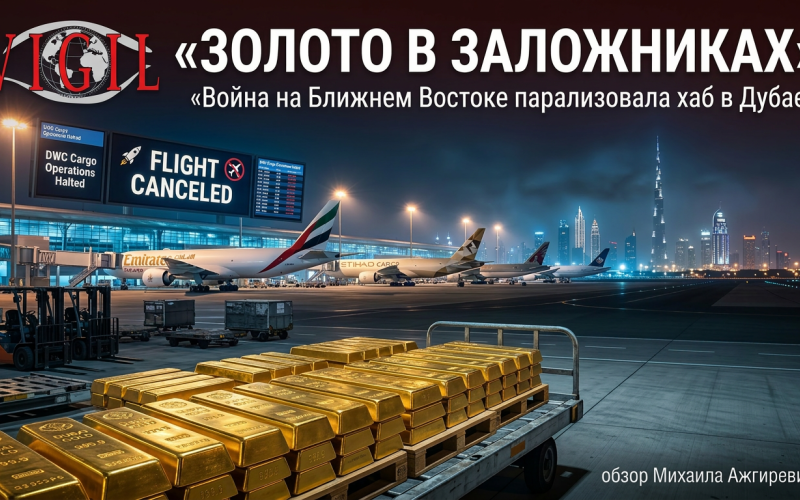
Gold Held Hostage: How the Middle East War Paralyzed the Planet's Main Hub

Золото в Дубае, vigiljournal.com

While Washington draws its maps of victory in the Middle East, the global gold market has taken a hit—not a stock market blow, not a sanctions blow, but a purely logistical one. Dubai, the physical pulse of global gold trading, has ground to a halt. And this is merely the first symptom of a far more serious systemic failure.

The Wartime Economy: Russia's Labor Market at the Breaking Point

рынок труда, vigiljournal.com

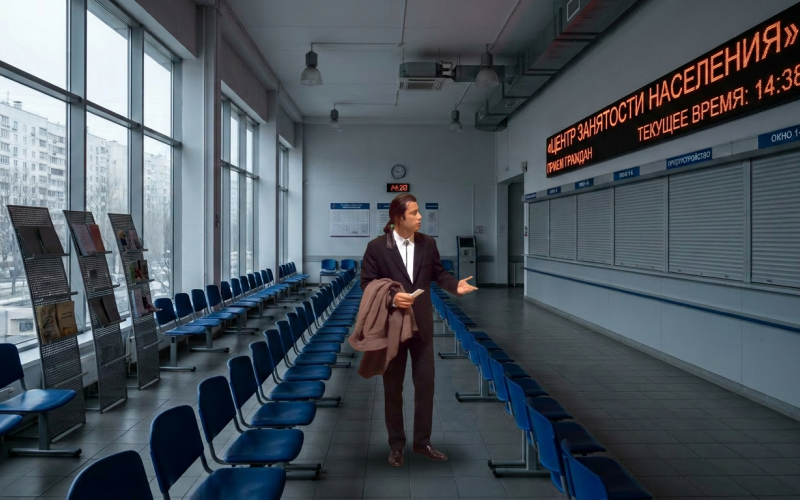
Record-low unemployment of 2.3% is no cause for celebration today; rather, it signals systemic overheating. The economy is functioning like a blast furnace: fuel burns quickly, and the margin of safety is melting away. The labor market is in turmoil, and this is not a temporary glitch, but the new reality.

Official statistics register a historic low in unemployment. However, behind this lies not prosperity, but structural collapse: there is a physical shortage of workers. Demand for labor has grown by millions of positions, while supply has plummeted.

Washington Has Lost the Initiative

Иран и доллар США, vigiljournal.com

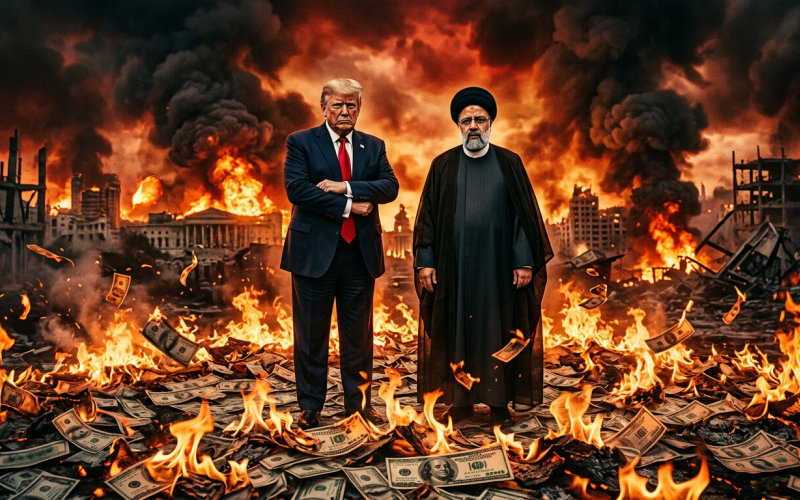
The third day of the war has turned into a strategic nightmare for Washington and Tel Aviv. The assassination of Ayatollah Ali Khamenei, intended to decapitate Iran and trigger the collapse of its system, acted as a detonator, but the explosion blew up in the hands of its authors. Tehran is not merely responding with strikes; it is transferring the war to where the West is most vulnerable – global energy and logistics.

The Ghost of Freedom: Tanker Sea Horse Challenges US Naval Blockade – Then Loses Its Nerve

призрак свободы, vigiljournal.com

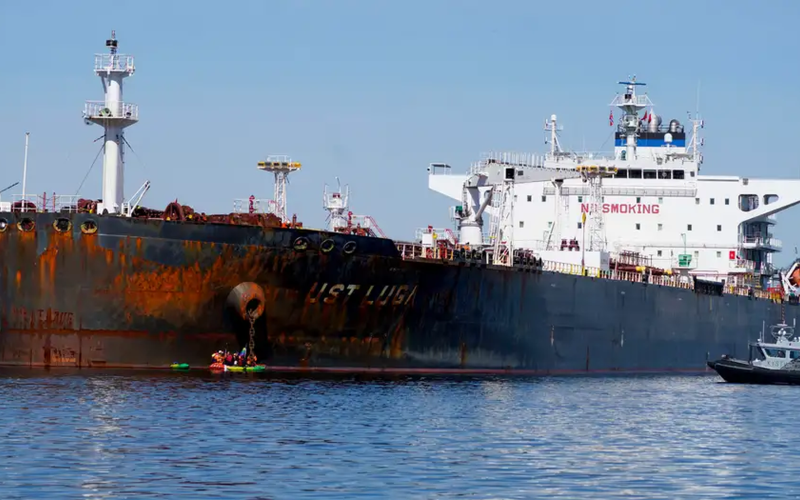
It nearly made it. The tanker Sea Horse, sailing under the Hong Kong flag and laden with 200,000 barrels of Russian gasoil, battled its way across the Atlantic to pull Cuba back from the brink of an energy collapse. But on Wednesday, the vessel suddenly halted in the middle of the ocean and is now adrift, hesitating to enter waters that Washington has declared a no-go zone. This is no mere commercial voyage. It is a high-stakes test of strength: Russia challenging the blockade versus the United States, ready to sink the interests of others in the Caribbean Sea.

The Oil Rebellion. Four Years of Sanctions Have Turned Russia into an Invulnerable Smuggler and the West into a Helpless Observer.

теневой флот, vigiljournal.com

Four years of trying to suffocate the Russian economy. Four years of sanctions packages churned out by Brussels and Washington with obsessive persistence. The result? Russian oil exports haven't just survived—they've grown by 6% above pre-war levels. Western politicians are furious: their vaunted "price cap" has proven to be a leaky bucket, and Russia's "shadow fleet" has become the planet's primary trading fleet. Welcome to reality, where sanctions only work in the imagination of their authors.

Uzbekistan: Between Rapid Growth and Heavy Dependence

Ташкент, vigiljournal.com

The economy of Uzbekistan is demonstrating impressive dynamics. Household incomes are rising: by the end of 2025, real growth was 7.2%, and in some regions, such as Bukhara, nominal growth reached 19%. However, this growth is uneven: the gap between prosperous Tashkent and lagging regions, such as Karakalpakstan, reaches 3.5 times. In this dynamic but fragile picture, Russia plays the role of a key, yet complex partner.

Multifaceted Dependence: Figures That Don't Lie

"Death by a Thousand Cuts": The Uzbekistan-Tajikistan Trade War Hits Russia

Таджикистан и Узбекистан

Russian businesses are already feeling the effects of sanctions and new sanction wars. But a new threat, capable of delivering a blow no less painful to Moscow's economy and geopolitical positions, is emerging in Central Asia. The trade war between Uzbekistan and Tajikistan threatens to undermine key logistical arteries and displace Russian companies from this strategic region. This conflict is no accident. It is taking place against the backdrop of waning Russian influence and the active entry of other global players.

War by Phone Call: How Ukrainian Special Services and Scammers Deceive Russians

мошенники, vigiljournal.com

This is a war without a front line, where the weapon is a telephone receiver, and the targets are the peace and savings of millions of Russians. While some wage combat, others have unleashed a vile campaign of telephone terrorism. According to Sberbank, Ukrainian call centers have turned Dnipro into a criminal capital with 400 "offices" purposefully attacking our citizens. Behind each scheme lies not just a thirst for profit, but a well-oiled system involving Ukrainian special services.

Psychological Hacking: How They Breach Defenses in 40 Seconds