Clay "library" of the Mexican state of Guang-Huatlo
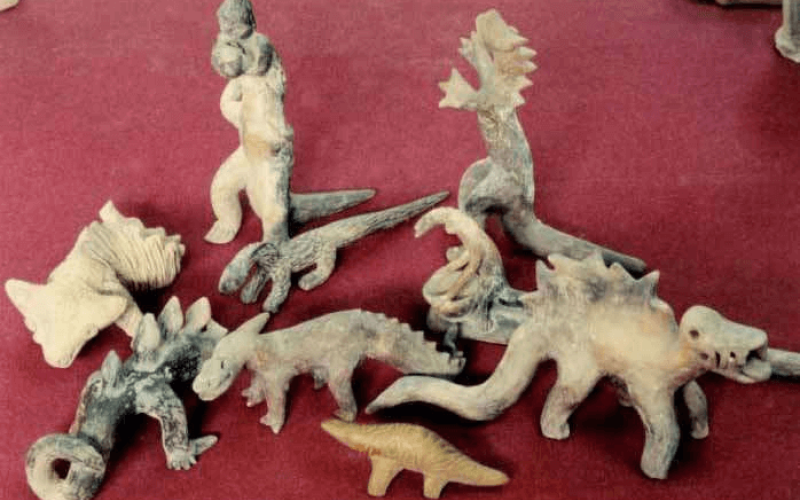
Глиняная "библиотека" мексиканского штата Гуан-Хуатло, vigiljournal.com

 The collection of the ancient artifacts of Julsrud from the Mexican state of Guang-Huatlo still causes conflicting opinions of scientists, but the amazing library of tens of thousands of exhibits speaks for itself.

 A small hill of El Toro in the Mexican state of Guan Huatlo. In the summer of 1944, a successful businessman from Denmark, Waldemar Julsrud, who had his own store in the small town of Akambaro, set off on a morning walk near El Toro. Here, clay figurines accidentally caught his eye. One of them resembled a mammoth.
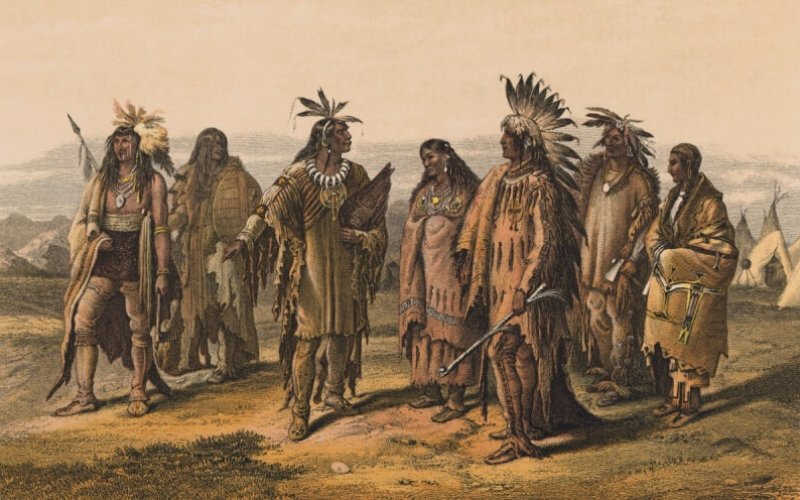
Indians of South America

Индейцы Южной Америки

Pre-Columbian America experienced the heyday and fall of the great civilizations - the Maya, the Aztecs, the Incas. The territory of modern Central and South America was inhabited by more than 5 thousand tribes. Some of them disappeared, leaving almost no trace. The others were completely destroyed. Most descendants of Indians of that era still live in Mexico, Bolivia, Peru, Ecuador and other countries of South America.

The tribes of Bolivia and Peru

Despite homicides, tourists keep coming

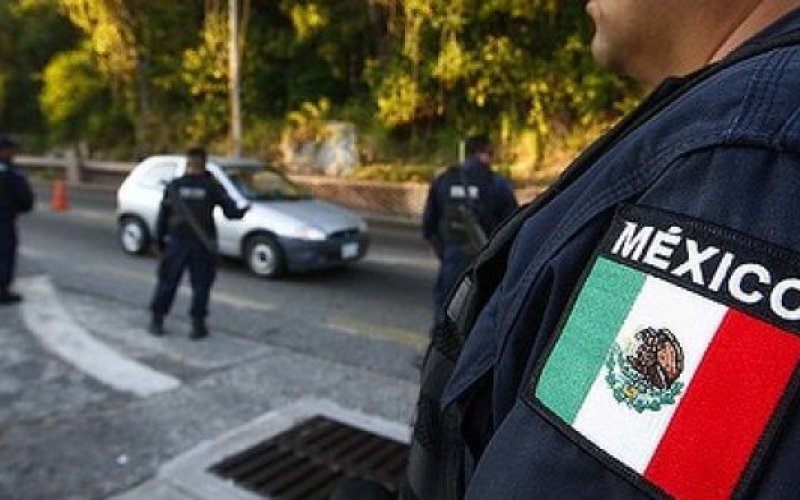
Преступность в Мексике

An increase in homicides that could make 2017 one of Mexico’s most violent years on record has done little to deter visitors from the United States although Canadian figures have shown a decline.

 Federal government statistics show that tourist numbers have continued to grow despite rising insecurity that last week triggered a new travel warning for Mexico by the United States Department of State.

Mexico is worst in Latin America on impunity index

Правосудия в Мексике, vigiljournal.com

Mexico is the worst country in Latin America for impunity, according to a study by the Universidad de las Américas Puebla (University of the Americas in Puebla, or UDLAP).

 Mexico topped the Global Impunity Index for Latin America and was the fourth worst country among the 69 that were analyzed worldwide.

 The index measures systems of security, justice and the protection of human rights and structural capacity to come up with its numbers.

 Mexico placed fourth behind first-place Philippines, India and Cameroon.

Drug use soars 205% among teenage girls

vigiljournal.com

Teenage drug use has doubled in Mexico in five years, but among teenage girls it has soared 205%.

 The number of youths aged 12 to 17 that have used illegal drugs increased from just under 3% in 2011 to just over 6% last year.

 Marijuana is Mexico’s most popular drug, while heroin use is described as minimal despite the fact that Mexico is Latin America’s biggest producer and the world’s third biggest, meaning authorities need to keep the drug in check, said Manuel Mondragón y Kalb, head of the National Commission Against Addictions (Conadic).

Barriers in Mexico send scientists abroad - lack of resources, corruption prevent them from advancing in their work

Мексиканские ученые в США, vigiljournal.com

Mexican scientists and researchers are forced to seek employment and career development abroad due to a lack of infrastructure and resources as well as government corruption that prevent them from advancing in their work, say Mexican academics based in the United States.

Dutch investment totals over US $45bn, Netherlands is second-largest foreign investor in Mexico

Royal Dutch Shell в Мексике, vigiljournal.com

Almost everyone knows about United States and Canadian investment in Mexico thanks to the ample information provided regarding the North American Free Trade Agreement. But how many people are aware of Dutch investment in Mexico? Not many, probably.

 Yes, the Dutch can be secretive and sly in trade, but the fact is that the Koninkrijk der Nederlanden, or Kingdom of the Netherlands, is the second — yes, second — largest foreign investor in Mexico with an amount totaling more than US $45 billion.

The devaluation of the yuan tests China’s rise as a world power

Экономика Китая, vigiljournal.com

After the devaluation of the yuan, the international financial markets started trembling. Washington accused Peking of taking advantage of the market. As China wants to incorporate the yuan into the Special Drawing Rights, it is inconvenient to prolong the devaluation. Furthermore, if a currency war broke out, China would risk increasing the economic and geopolitical tensions between countries in the Asian-Pacific region. That way, the United States would have more possibilities to disrupt regional co-operation initiatives and thereby undermine China’s rise as a world power.

After Mèrida

Drugs

The Mèrida Initiative was planned by the U.S. and Mexican authorities as a program that would satisfy all skeptics. It was expected that the Initiative would please Mexicans who see the “new U.S. expansion” in everything; and the representatives of the Washington establishment who want to justify these fears at the expense of humanitarian intervention; and those who strongly believe that the drug trafficking is the exclusively Mexican internal problem that the USA should not intervene into. However, after four years the Mèrida Initiative failed to meet these expectations.