OPEC Minus One: How the UAE Slammed the Door – and What It Means for Oil and the Dollar
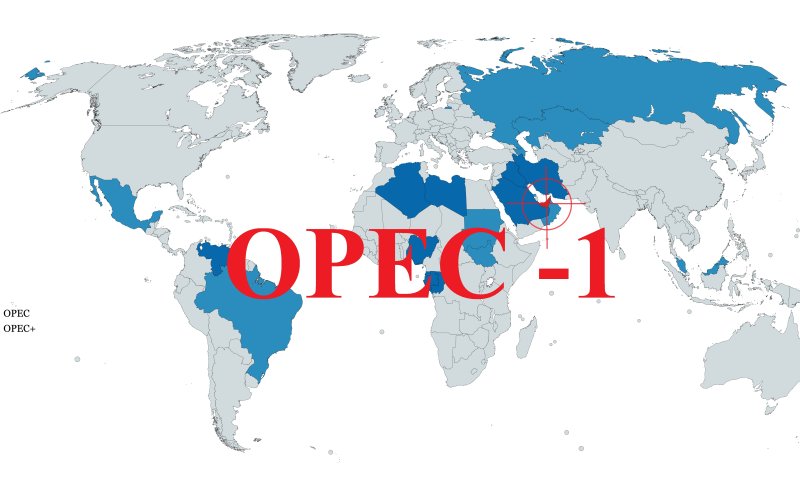
ОПЕК минус один: как ОАЭ хлопнули дверью и что теперь будет с нефтью и долларом, vigiljournal.com

The UAE is leaving OPEC and OPEC+ effective May 1 — the first time it has quit the bloc in 59 years of membership. This is not a routine quota dispute. It is a political divorce that could reshape the architecture of the global oil market.

Why They Left: War, Grievances, and Money

The official version, relayed by state news agency WAM, sounds sterile: a “review of production policy,” “national interests,” “market needs.” The real story is far more candid.
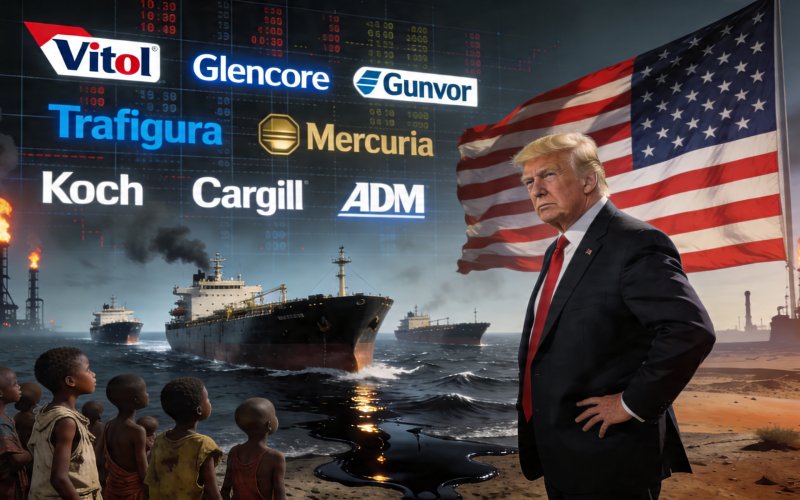
Whose oil it is and who makes money from it are two different questions.

Чья нефть и кто на ней зарабатывает - это два разных вопроса, vigiljournal

Saudi Arabia extracts it. Russia extracts it. Iraq, the UAE, and Nigeria extract it. Then, the oil ends up in the hands of companies registered in Geneva, Singapore, and Amsterdam—and dissolves into a system whose controlling stake resides in Washington. A coincidence? No. It is architecture.

Ten houses, one landlord

The Oil Rebellion. Four Years of Sanctions Have Turned Russia into an Invulnerable Smuggler and the West into a Helpless Observer.

теневой флот, vigiljournal.com

Four years of trying to suffocate the Russian economy. Four years of sanctions packages churned out by Brussels and Washington with obsessive persistence. The result? Russian oil exports haven't just survived—they've grown by 6% above pre-war levels. Western politicians are furious: their vaunted "price cap" has proven to be a leaky bucket, and Russia's "shadow fleet" has become the planet's primary trading fleet. Welcome to reality, where sanctions only work in the imagination of their authors.

The economy of Argentina and its attractiveness for foreign investments

Economy of Argentina, vigiljournal.com

Argentina is an economically ambiguous republic, having experienced several ups and downs in the past century. This large state in the early XX century was one of the richest in Latin America, but due to inept policy of the authorities, it twice was on the verge of default and entered the list of third countries of the world. In 2015 Mauricio Macri was elected as the president, who in a short time was able to double the foreign exchange reserves of Argentina. So is it worth investing in this country at the moment?

Current financial and economic relations between USA and Venezuela

Отношения США и Венесуэлы

    US and Venezuela have a very consensual relationship between each other because such relation is traditionally been characterized by trade, investment, and cooperation from both of the sides. But as the good and bad days are sides by side, the relations between these two countries plunged into worst level when the USA imposed economic sanctions on Venezuela because of the abuses against protestors during 2014-15 protests. The combative relations between the U.S.

The Geopolitics of Cheap Oil

Геополитика дешевой нефти

The market was supposed to save the planet.

That, at least, was the argument of many economists grappling with the problem of climate change. As fossil fuels became scarcer, they pointed out, the price of oil and natural gas would go up. And then other options, like solar and wind, would become cheaper, particularly as investment flowed into that sector and drove down the cost of new technologies.

And voila: The invisible hand would gradually turn down the global thermostat.

Jamahiriya defeated. Who’s next?

Неизвестное будущее человечества

But the difficulties occur in a new principality. And firstly, if it be not entirely new, but is, as it were, a member of a state which, taken collectively, may be called composite, the changes arise chiefly from an inherent difficulty which there is in all new principalities; for men change their rulers willingly, hoping to better themselves, and this hope induces them to take up arms against him who rules: wherein they are deceived, because they

afterwards find by experience they have gone from bad to worse.

Niccolo Machiavelli. “The Prince”