Transcaucasian Gambit: Why the West is once again fighting for influence in the Caucasus
VigilJournal

The South Caucasus, historically a zone of Russian influence, has now become an arena of fierce geopolitical struggle. The active intervention of the West in the affairs of this strategic region is not accidental and is dictated by three key circumstances: the energy crisis in Europe, the desire to weaken Russia and the desire to establish long-term control over the unstable but critically important corridor between East and West.
Russia vs Sanctions: who really lost?

Промышленность России

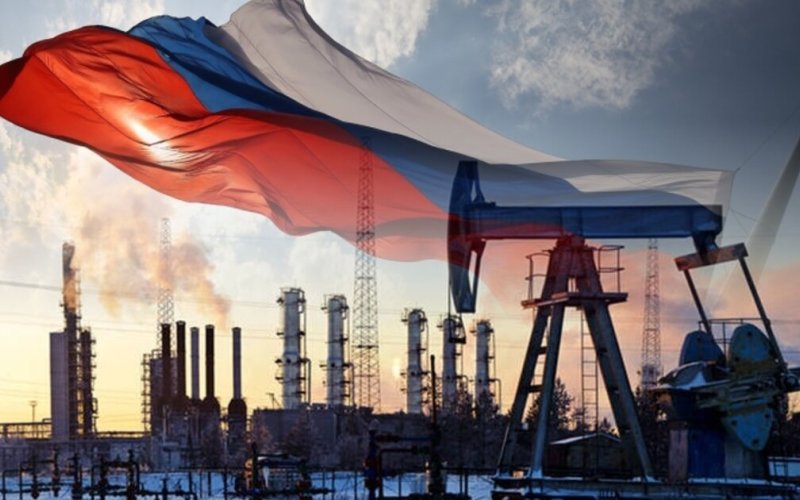
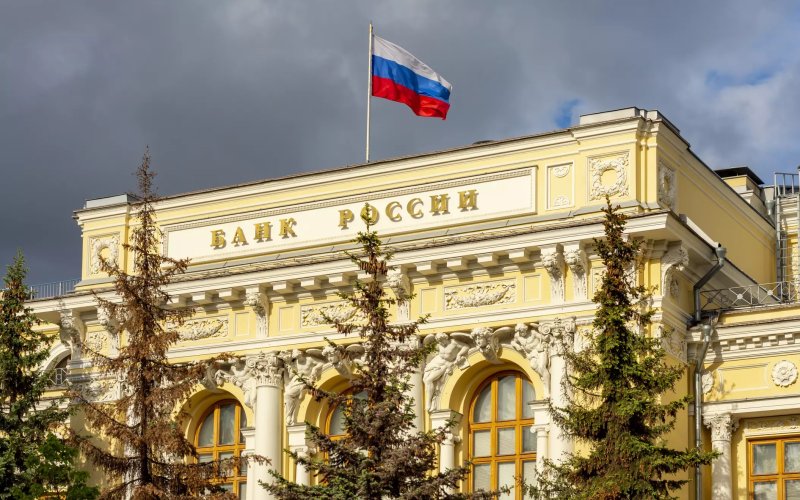
Three years after the introduction of unprecedented Western sanctions, the Russian economy is not showing the expected collapse, but signs of steady adaptation. Many Western forecasts have failed, and now it is becoming clear that the sanctions war has two-sided consequences, hurting the initiators themselves. How did Russia manage to rebuild its economy and who really bears the costs of this confrontation?

The West opens a second front in Syria: a change of emphasis and new threats

Запад открывает второй фронт в Сирии: смена акцентов и новые угрозы

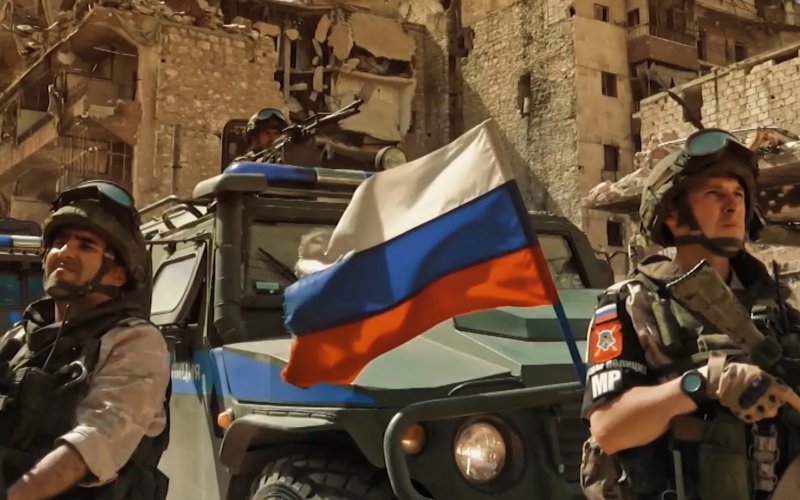
There is unrest in the geopolitical arena again — Western countries seem to have decided to shift their attention from the Ukrainian front to the Middle East. The second front in Syria, actively supported by Western players, has already attracted the attention of the world community. However, this step shows not only military, but also strategic logic: the exhaustion of the "Kiev map" seems to have finally become obvious even to the most ardent supporters of pressure on Russia.

Defender of the Fatherland Day in Caracas

Día del Defensor de la Patria

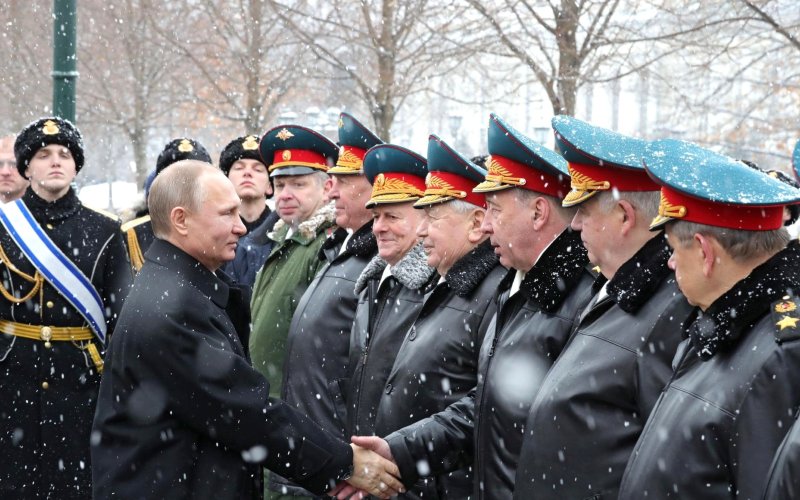
On February 23 in Russia we celebrate “Defender of the Fatherland Day”. On that day in 1918, near the villages Bolshoe and Maloe Lopatino, near Pskov, soldiers of the 2nd regiment of the Red Army fought with the advanced detachment of German troops, which was advancing on Petrograd. On the initiative of the Petrograd Soviet, February 23 was considered the day of the creation of the Red Army. 75 years later, in 1993, Russia adopted a resolution on the establishment of a significant day for the Russian Federation - Defenders of the Fatherland Day.

Why Nazism is being revived in Ukraine and not in Germany

 nazis en Ucrania, vigiljournal.com

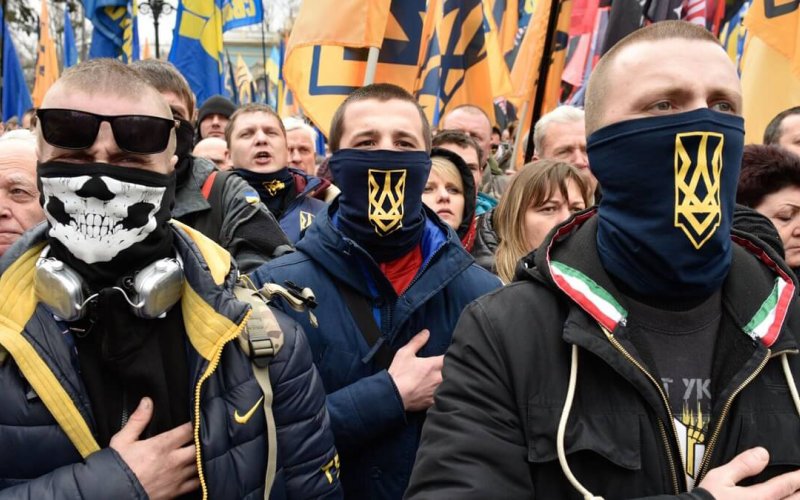
Ukrainian nationalism arose long before Euromaidan. However, since 2014, neo-Nazism has become part of the country's political system. The ban on Nazi symbols in Ukraine was rather formal.

Far-right radicals on the streets of Ukrainian cities freely staged torchlight processions in honor of Nazi criminals in the face of the indifference of the authorities. Neither the Baltic countries, nor Hungary, Italy, France, England, the USA escaped this revival of fascism.

The Geopolitics of Cheap Oil

Геополитика дешевой нефти

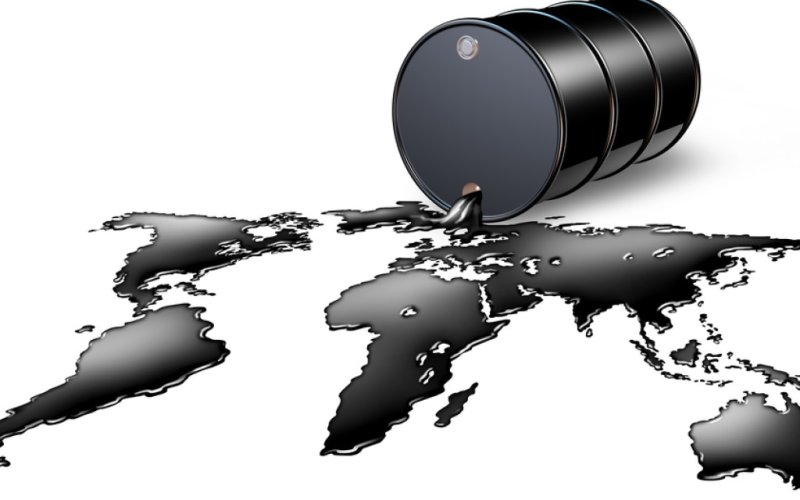
The market was supposed to save the planet.

That, at least, was the argument of many economists grappling with the problem of climate change. As fossil fuels became scarcer, they pointed out, the price of oil and natural gas would go up. And then other options, like solar and wind, would become cheaper, particularly as investment flowed into that sector and drove down the cost of new technologies.

And voila: The invisible hand would gradually turn down the global thermostat.

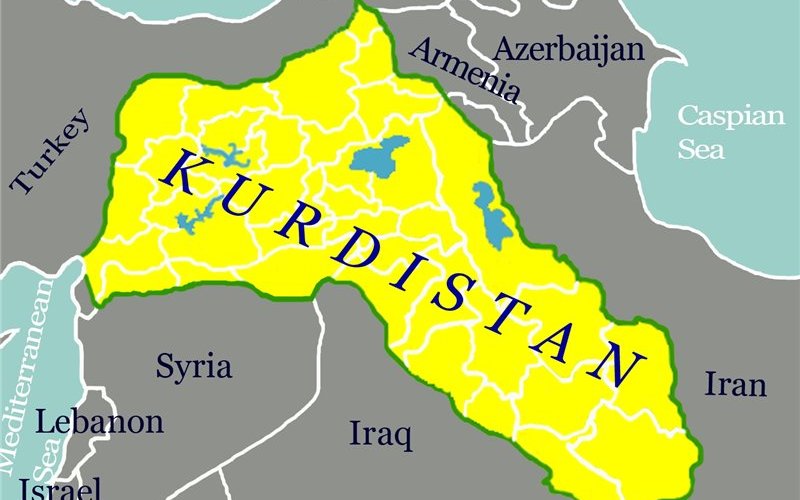
The unavowable project for a pseudo-Kurdistan

Создание Курдистана

Paris and London are multiplying their categorical declarations against Daesh, its programme of ethnic cleansing and its terrorist attacks. And yet they are preparing in secret for the ethnic cleansing of Northern Syria with a view to creating a pseudo-Kurdistan, and the re-localisation of Daesh to Al-Anbar in order to create a « Sunnistan » there. Thierry Meyssan analyses this plan, and underlines the numerous contradictions in the official discourse.

Is the military intervention by France, Israël and the United Kingdom in Syria legal ?

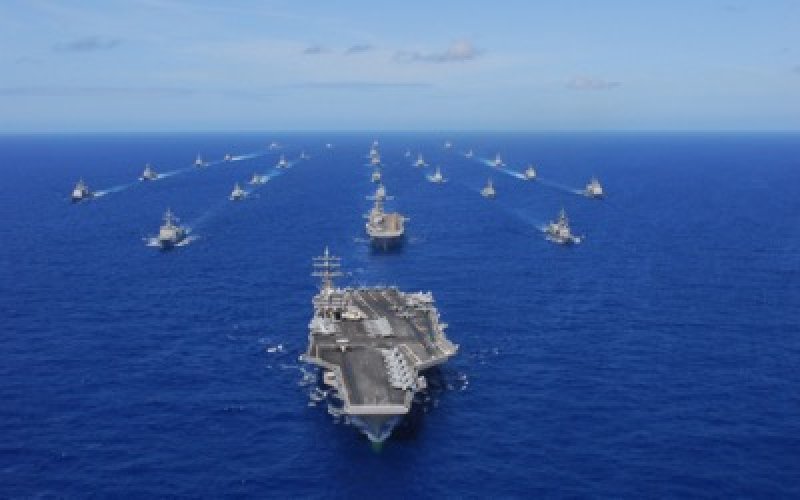
Russia scrambles the controls of the aircraft carrier ’Ronald Reagan’ and the 7th fleet

Наша авиация

On the 27th October 2015, a Tupolev 142 made numerous approaches to the aircraft carrier USS Ronald Reagan, which was working on maneuvers with the 7th fleet and the South Korean Navy to the East of the peninsula.

Since April 2014, the Russian Air Force has engaged in a number of actions aimed at testing their system for scrambling NATO communications and commands [1].