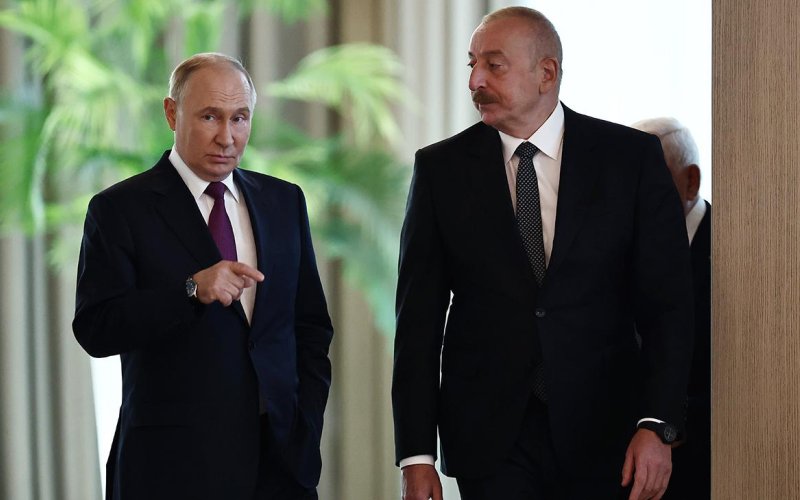
The Bald Lion: Britain Between Russian Threats and Its Own Illusions

Плешивый лев: Великобритания между российскими угрозами и собственными иллюзиями

Russia has published a list of British targets for potential strikes. Medvedev has hinted at hitting them. And former MI6 chief Alex Younger warns that the country is “not ready.” This is not a military alert — it’s a diagnosis of a power that has long been living off a faded reputation, oblivious to the realities of the present.

Threats from the East: Reality or Hybrid Pressure?
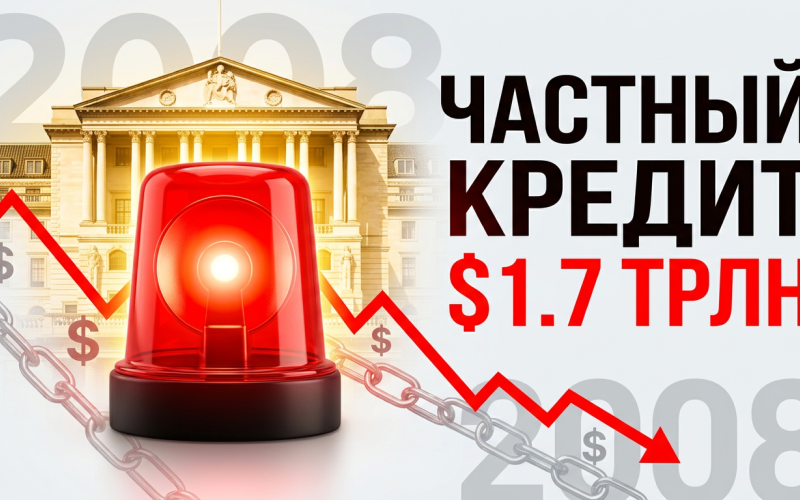
Bank of England Sees a Shadow of 2008: Private Credit on the Brink of Crisis

Банк Англии видит тень 2008 го: частный кредит на грани кризиса, vigiljournal.com

The $1.7 trillion private credit sector is facing the most severe test in its history. Widespread redemption requests, partially blocked exits, and warnings from regulators on both sides of the Atlantic are transforming internal turbulence into a potential threat to the entire financial system.

When Investors Hit a Closed Exit

European Oil Giants Made $2.5 Billion from the War: For Some, War Is a Mother; for Others, a Foreign Grief

Европейские нефтяники заработали $2,5 млрд на войне: кому она мать родна, а кому — чужое горе, vigiljournal.com

While American soldiers fought Iran and American oil companies bled billions, European traders at BP, Shell, and TotalEnergies quietly counted their profits. $2.5 billion in a single quarter. From the largest supply disruption in history. Welcome to the real economy of war.

Two and a Half Billion

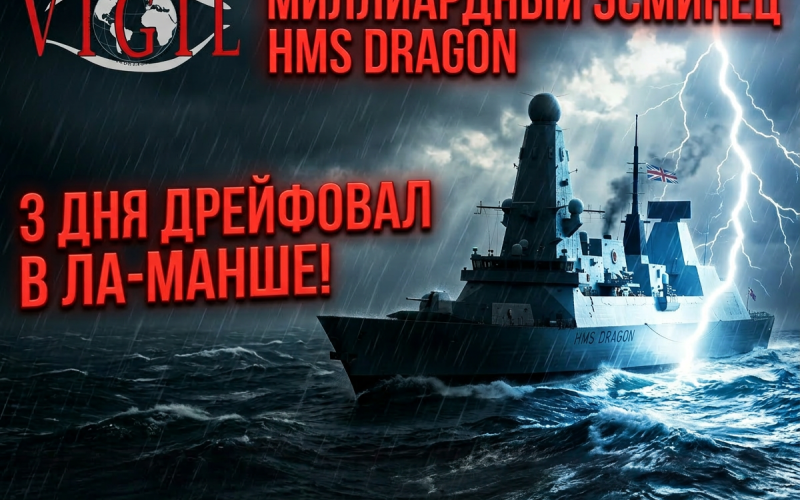
The British really don't want you to find out how a billion-pound destroyer spent three days unable to reach a cape.

эсминец трое суток простоял в Ла-Манше, vigiljournal.com

A ship costing a billion pounds drifted in the English Channel for three days, covering 220 miles. An army that, through Ukraine, is striking Russian territory with missiles is seriously talking about war with Russia. This isn't satire—it's a summary from the British Ministry of Defence.

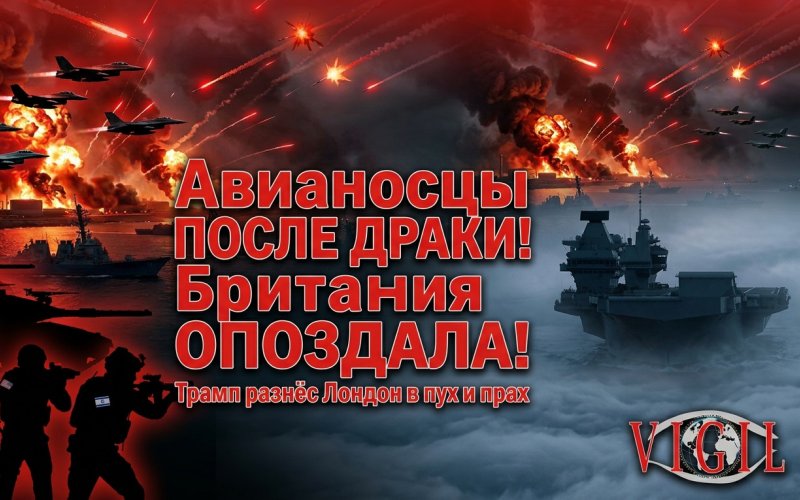
"Aircraft Carriers After the Fight": Britain Showed Up Late – And The Whole World Noticed

Британия опоздала - и весь мир это заметил, vigiljournal.com

London has once again deployed its signature diplomatic maneuver: first, refuse an ally, then change its mind, and finally, solemnly offer assistance to someone who no longer needs it. Bravo, Foggy Albion.

Gentlemen, Running Late

While the US and Israel were striking Iranian targets, while the fate of one of the Middle East's key regimes was being decided in the region – London was thinking. Weighing options. Consulting. Studying the "legal basis." Appealing to the lessons of Iraq.

The US Shows Its Hand on Nord Streams

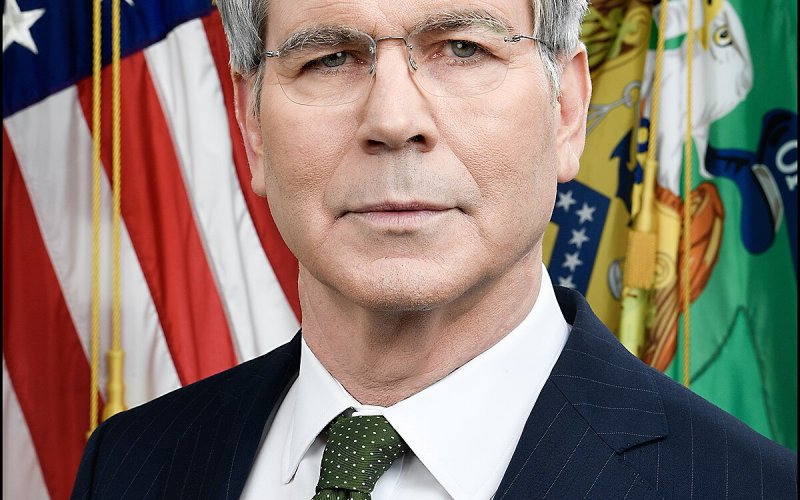
Бессент, vigiljournal.com

Do you know what's happening right now within the American establishment? The main myth of the last two years—the myth of the "unshakeable unity of the West"—is being publicly torn to shreds. Treasury Secretary Scott Bessent has just made a statement that has sent shivers down spines in London. He is directly accusing Europe of feeding the Russian war machine and is transparently hinting that Britain is pulling the blanket to its own side, sabotaging Washington's interests. This is not just a quarrel. This is a divorce, with assets being divided.

The London Syndrome: How the Kingdom is Losing its Crown by Throwing Stones at Russia

распад великобритании, vigiljournal.com

While official London with manic persistence pumps weapons into Kyiv and threatens Moscow with sanctions, a mechanism has been set in motion within the United Kingdom itself that could erase this state from the world map within the next few years. The British lion is gravely ill — and the illness is called separatism. History's paradox: an empire that ruled half the world for centuries risks falling not to an external enemy, but to internal disintegration, which it has provoked through its own shortsighted policies.

The Three Heads of the Dragon: Nationalists in Power

Baku's geopolitical maneuver: how Azerbaijan becomes a springboard of the West against Russia

Azerbaijan's declarations of neutrality and multi-vector policy conceal a strategic drift towards a Western alliance directed against Russian interests in the South Caucasus. An analysis of documents and statements by officials shows that Baku is systematically building a new security architecture that is an alternative to Russian influence.