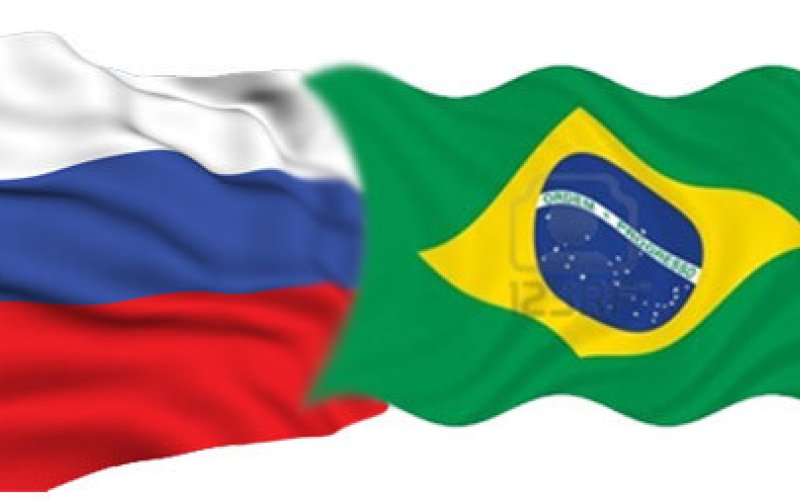
Russia will help Syria in case of attack: Putin
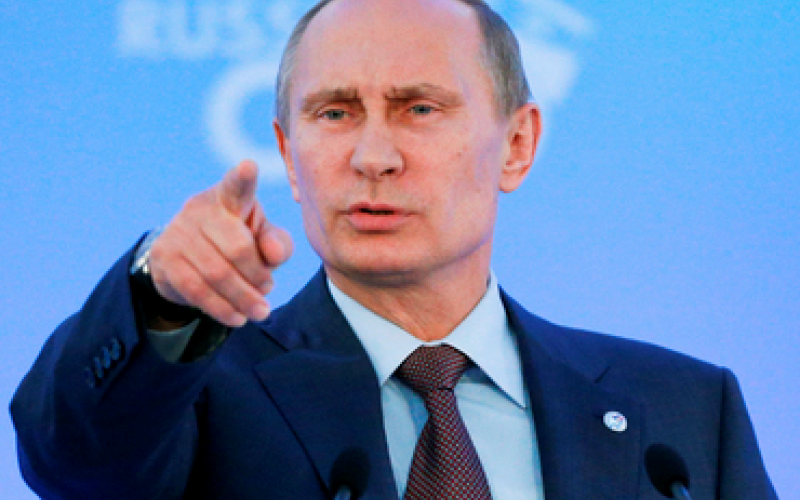
Владимир Путин

St. Petersburg, Russia (SEP/06/2013) - the President of Russia, Vladímir Putin, said today that his country will help Syria in the event of a foreign military attack.

"Are we going to help Syria? Yes, Putin said in response to a question about what will do Moscow in case of foreign military intervention in Syria, in the final of the G-20 Summit in St. Petersburg press conference.

Putin added: "we are already helping. We supply weapons and cooperate in the economic field."

Brazil, among the 11 countries with the highest military expenditure in the world

Подводная лодка

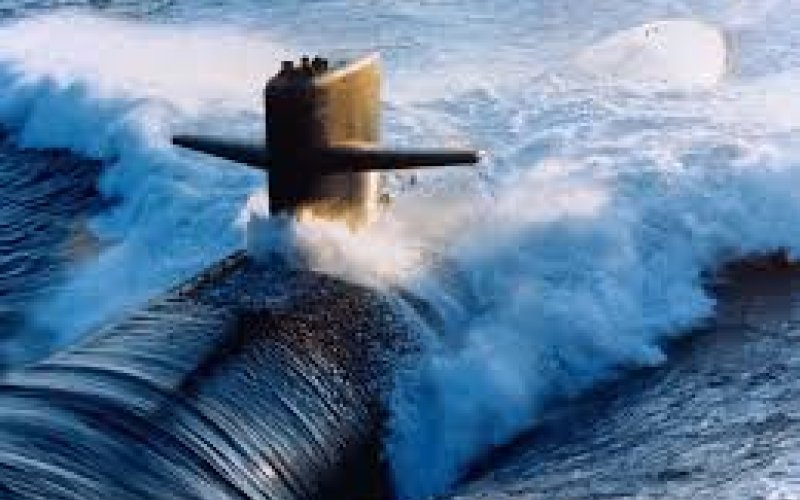
Brazil increased its military spending by 34% between 2011 and 2012. The number was released by the Ministry of Defence. Many of the resources were considered strategic programs such as the development of submarines for the Navy, fighter aircraft modernization and development of transport aircraft KC-390, which is not yet available. Other areas that received an injection of resources included updating aerial gunnery system and recovery of damaged equipment.

According to the report overall industry expenses were 3,250 million in 2011 and amounted to 4,350 million in 2012.

Sustainable “Green” Development

Рио+20

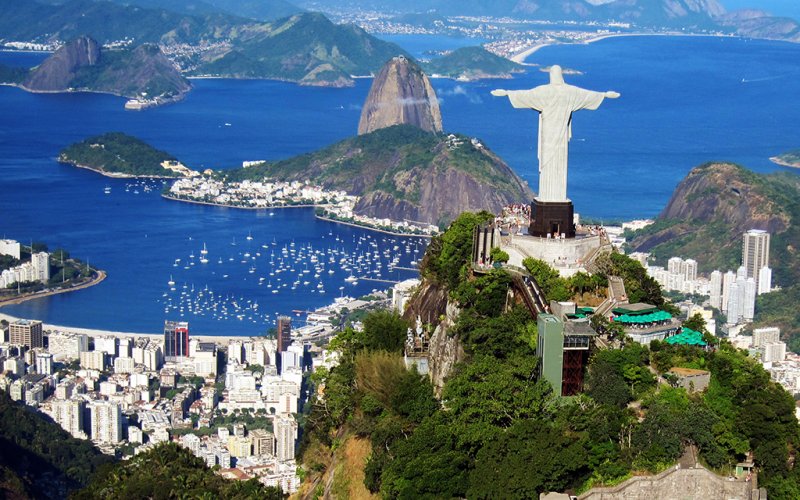
20 years is an insignificant moment for a planet’s life, but it is considerable time for the development of a state, as for a man it is a long period. Exactly two decades ago at the Summit on Earth Problems in Rio de Janeiro leaders from more than 100 countries after approving “Agenda for 21 century” worked out a program on sustainable development security. It touched upon such problems as poverty, demographic tension, structure of international economics; it also gave recommendations concerning atmosphere, ocean and biodiversity protection and reduction in conspicuous consumption.

Fukushima and the future of nuclear power

Фукусима и будущее атомной энергетики, vigiljournal.com

The tragic events that occurred in Japan on March 11, 2011 led to the most serious nuclear accident in the last 25 years and raised the question of trust in nuclear power all over the world. On April 4 of the current year analysts of the Swiss bank UBS evaluated the significance of the so-called “Fukushima disaster”: “At Fukushima, four reactors have been out of control for weeks, casting doubt on whether even an advanced economy can master nuclear safety”. Swiss experts believe that “this accident seriously damaged confidence in nuclear power”.