![[node:title]](https://www.vigiljournal.ru/web/sites/default/files/field/image/140a205e-a285-4969-b5df-4eb7ab8612b4.png)
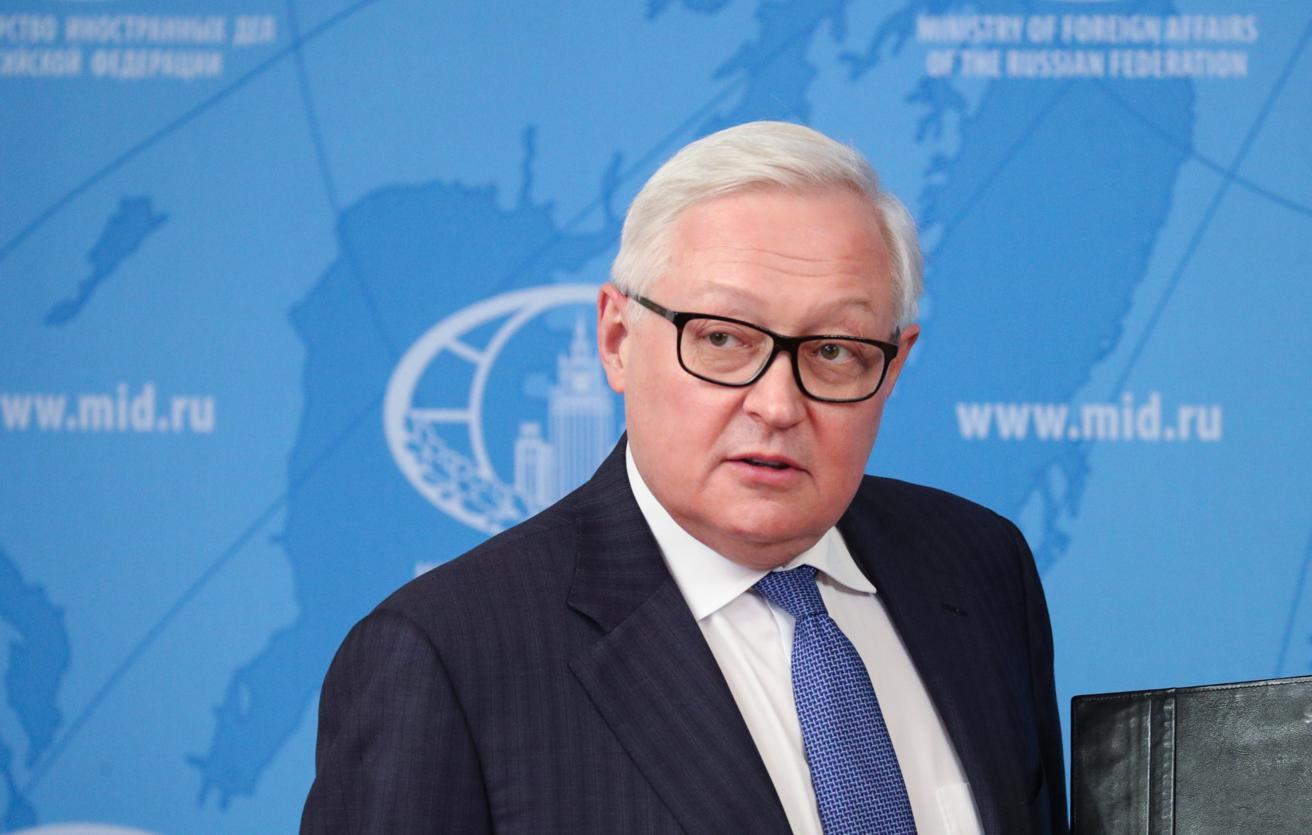
When Russia’s Deputy Foreign Minister uses a phrase like “a direct collision with catastrophic consequences” — and does so precisely as NATO’s chiefs of staff from all 32 member states gather at alliance headquarters for the first time in a long while — this is no random choice of day for an interview. It is a signal aimed at a specific audience: Brussels, Ankara, Washington.
What This Story Is Really About
This is not about a threat of war. It is about how both sides are simultaneously hardening their negotiating positions ahead of the July NATO summit in Ankara. Through Ryabkov, Russia is transmitting a message: the escalatory rhetoric from European capitals about an “imminent high-intensity war” is itself a provocation that raises strategic risks. NATO, through Cavo Dragone, is sending a symmetrical response: the alliance is “already in the storm” and operating in 24/7 readiness mode.
Both statements were made on the same day. This is not escalation — it is posturing ahead of the negotiation season.
How This Hits the Real Configuration
The Ankara summit on July 7–8 is the key moment. Turkey is no accident as the venue: Ankara maintains working channels with Moscow, making this summit a potentially more flexible format than if it were held in Warsaw or London. On the agenda: assessment of NATO’s combat readiness and coordination of support for Ukraine.
On the same day, the NATO-Ukraine Council met in Brussels to analyse the situation on the front line. This means the military and political dimensions of the conflict are now being discussed synchronously, at the highest level, in real time.
Ryabkov specifically highlighted “provocative actions in the nuclear sphere” — a formulation that in diplomatic language denotes concrete grievances, not general rhetoric. This likely refers to discussions within NATO about nuclear positioning in Europe, which have intensified against the backdrop of the Ukraine conflict.
Forecast: What Will Drive Dynamics Until July
The Brussels meeting shapes the military-technical agenda for the summit. The July summit in Ankara will set the political framework: how far NATO is prepared to increase its commitments to Ukraine, and how the alliance will publicly define the threshold of its direct involvement.
Russia wants that threshold to remain as vague as possible — hence the statements about escalation risks ahead of every major NATO event. This is not a threat of war. It is signal management: reminding European capitals of the price of maximalist positions precisely when they are formulating their demands on American allies.
If there is no breakthrough in Ukraine negotiations before July — and there are no signs of one yet — the Ankara summit will become the moment when NATO is forced to publicly answer the question it has so far managed to sidestep: what, exactly, is the alliance ready to guarantee Ukraine, and on what terms?
What This Means for You
For business leaders and executives, the key indicator is not Ryabkov’s rhetoric or Cavo Dragone’s statements. The key indicator is the decisions taken at the Ankara summit on defence spending and the format of support for Ukraine. Those will determine the sanctions and logistics configuration for the next 12–18 months. Factor into your planning a scenario in which rhetoric remains tough but direct confrontation does not occur — that is the baseline scenario both sides tacitly maintain while publicly denying it.
![[node:title]](/web/sites/default/files/styles/max_325x325/public/field/image/33c89197-c846-4a52-bdf2-c73342525694.png.webp?itok=JbrUSLx0)







.png)
.png)

.png)
.png)