
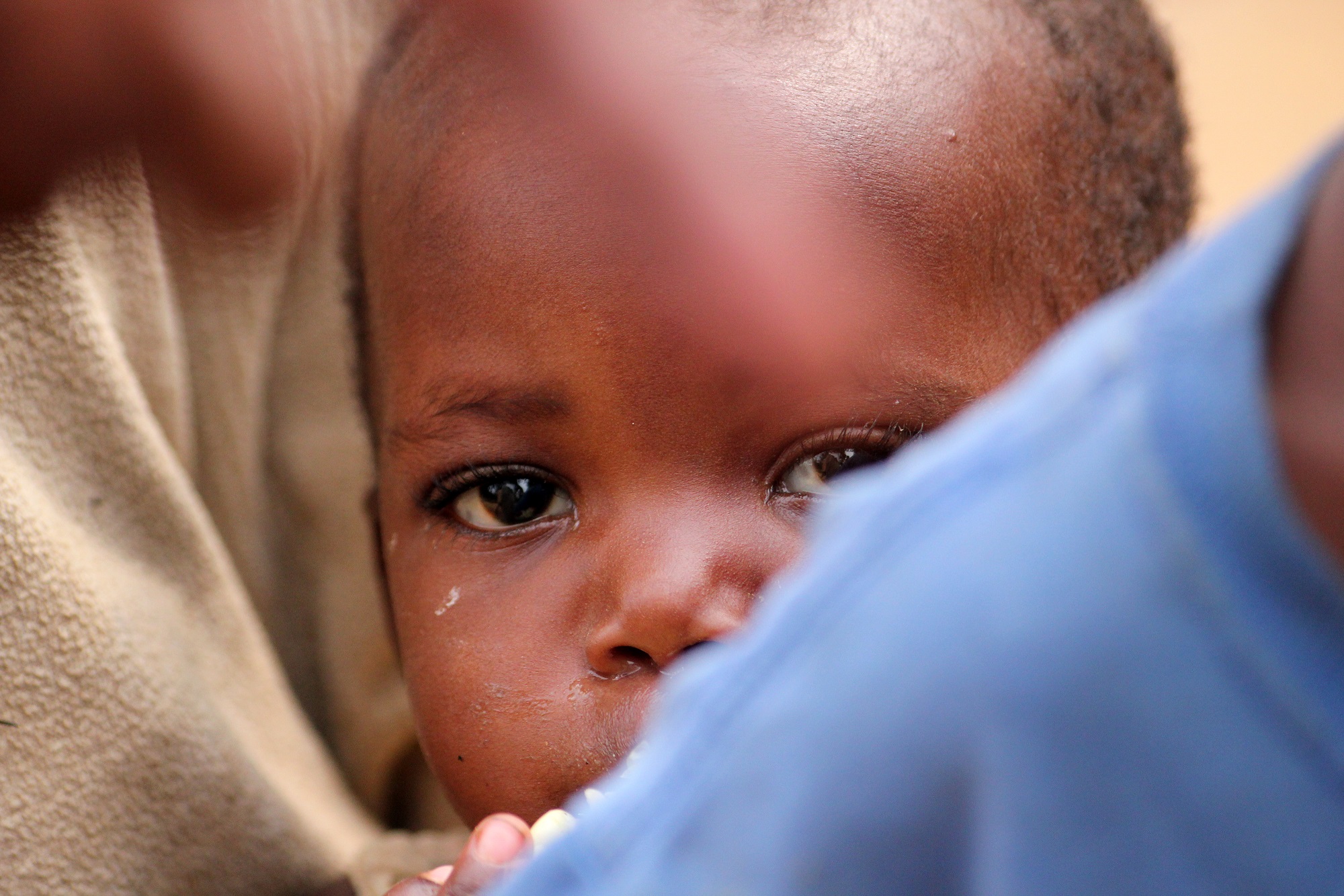
The Hormuz crisis — flagged by Rosneft CEO Igor Sechin at the St. Petersburg International Economic Forum 2026 — has long ceased to be an oil story. The planet is one step away from a global food crisis. Fertilizer prices have surged nearly 60% in the first four months of 2026. Within six months, that increase will reach grocery shelves and farmlands from Africa to Southeast Asia. The energy crisis is morphing into a food crisis — and in vulnerable economies, food crises always end the same way.
What This Story Is Really About
This isn't about oil or the Strait of Hormuz per se. It's about a chain reaction that most analysts refuse to follow to its conclusion: supply disruptions through the strait have hammered fertilizer exports from the Persian Gulf region — the world's largest producer of ammonia and urea. The spike in urea prices, recorded by the World Bank at their highest level since October 2022, signals one thing: next season's harvest will be more expensive, smaller, or both.
Sechin identified India, Africa, and Southeast Asia as the primary victims. That's no arbitrary selection — these are the countries with the least resilience: households that spend the highest share of their income on food, minimal reserves, and logistical infrastructure too weak to quickly reroute supply chains.
How This Hits Real Regions and Real People
India is the largest vulnerable player. The country projected to account for half of global oil demand growth by 2035 is today critically dependent on fertilizer and energy imports through disrupted shipping lanes. Rising food prices in a nation of 1.4 billion people with a vast low-income population is not an economic data point — it's political instability in the making.
Sub-Saharan Africa is the highest-risk zone. Countries that import both food and fertilizers while holding no currency reserves to absorb a price shock. This is where a food crisis converts into a humanitarian catastrophe fastest.

Southeast Asia sits in an intermediate position. More resilient than Africa, but rising rice and palm oil prices will hit the poorest segments of the population in Indonesia, the Philippines, and Myanmar hardest.
The migration conclusion is straightforward: a food crisis in Africa and instability across South Asia will generate a new wave of migration toward Europe and Gulf states. This is not a forecast — it is a historically recurring pattern. Every food shock in the Sahel and Horn of Africa has ended with rising flows across the Mediterranean.
Forecast: Where This Is Heading
The six-month lag Sechin warned about puts the peak of food inflation squarely in autumn and winter 2026. That will coincide with traditionally high winter energy demand and political cycles in several vulnerable countries. If Hormuz transit remains even partially blocked by then, the world faces simultaneous energy and food crises in fragile economies — with entirely predictable social consequences.
For Russia, the picture is ambiguous. High fertilizer prices benefit Russian producers — PhosAgro and other exporters now expanding into markets being vacated by Gulf suppliers. Rising global grain prices equally favor Russian agricultural exports. But food instability in partner countries — Africa, South Asia — simultaneously creates political risks for Russia's long-term presence in those markets.














.png)
.png)

.png)
.png)