
![[node:title]](https://www.vigiljournal.ru/web/sites/default/files/field/image/machupicchu.jpg)
Machu Picchu is Peru's lost city of the Incas — a highland citadel concealed among the clouds of the Andes at an elevation of 2,430 metres above sea level. Built in the fifteenth century, it continues to guard secrets that no expedition has yet managed to unravel. Visitors arrive from every continent, and each year hundreds of thousands of travellers pass through its ancient gates, never failing to be astonished — no matter how seasoned their wandering eye.
Locating Machu Picchu on a map is straightforward: the Cusco region, roughly 80 kilometres northwest of the city that once served as the capital of a great empire. There are two ways to reach it — by tourist train from Cusco through the scenic Urubamba River valley, or on foot along the legendary Inca Trail. The four-day trek winds through misty cloud forests and mountain passes, and the journey itself becomes an adventure every bit as memorable as the destination.
Stones That Defy Explanation
The city was constructed without a single iron tool and without wheeled transport. Enormous granite blocks weighing several tonnes were fitted together with millimetre precision, bound by no mortar whatsoever. The Temple of the Sun, the Intihuatana plaza, and the House of the Vestals form an architectural ensemble that stops even the most well-travelled visitors in their tracks. Pride of place belongs to the Intihuatana stone — the so-called "solar hitching post" — which the Incas used as an astronomical instrument to determine solstices and plan the agricultural calendar.
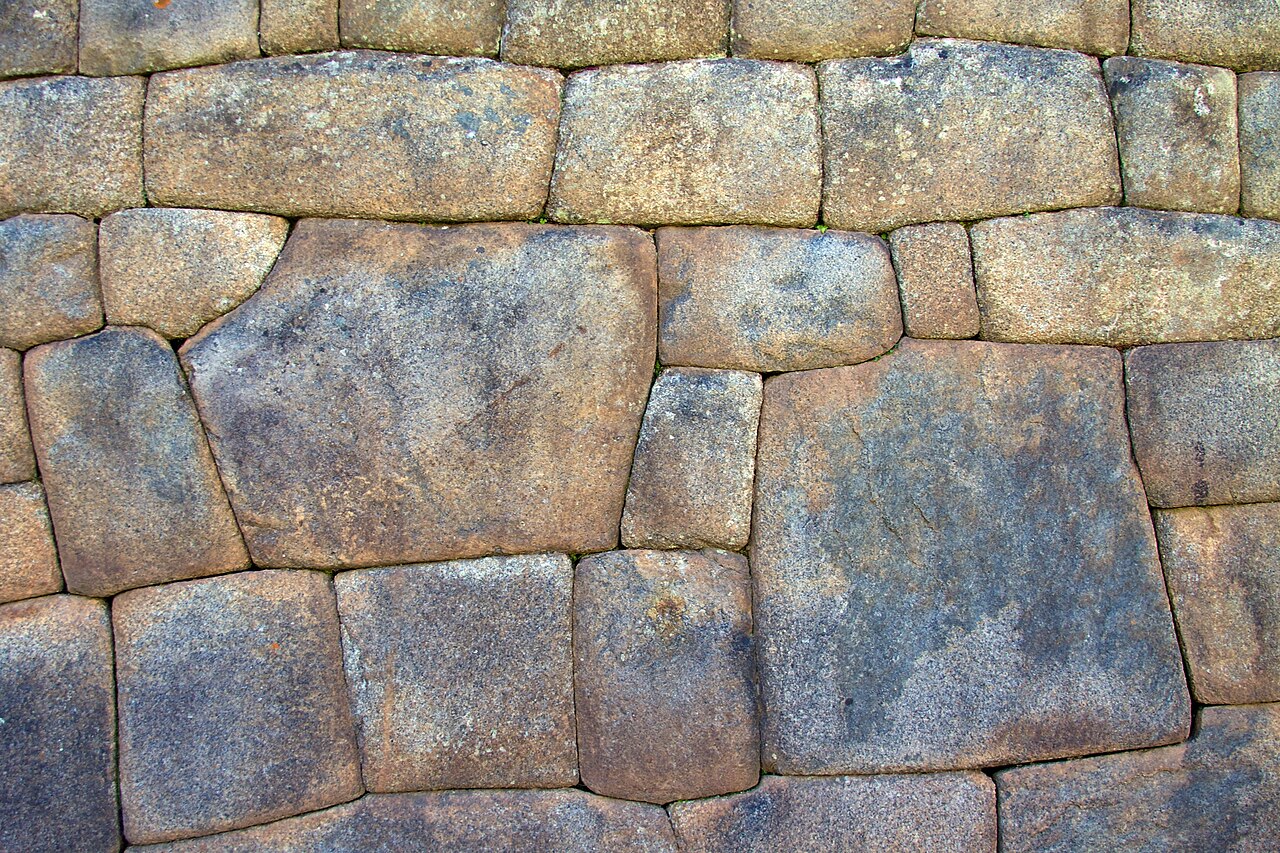
Spanish conquistadors never discovered this site during their conquest of Peru, which is precisely why Machu Picchu survived intact while the rest of the Inca world was destroyed and plundered. The citadel was introduced to the wider world by American historian Hiram Bingham in 1911, though local farmers had long known of its existence. Since then, the site has been recognised as one of the New Seven Wonders of the World and remains the foremost symbol of Peru — and of Latin America as a whole.
When to Go and How to Prepare
The best time to visit is the dry season, from May through October: skies above the citadel are clear, panoramic views stretch in every direction, and the mountain trails are in excellent condition. During the rainy season, from November through April, a thick mist envelops the ruins — a spectacle that is undeniably mystical and haunting in its own right, yet far less forgiving for photography.
Entry tickets must be booked in advance, sometimes weeks ahead: Peruvian authorities impose a strict daily visitor cap to protect this UNESCO World Heritage Site. Once there, hiring a local guide is well worth it — they know the history behind every stone and have a gift for storytelling that raises the hairs on your neck. The best advice of all: arrive at opening time, at dawn, when the first rays of sunlight slide across the stone terraces and the mountain peaks emerge slowly from the morning mist. Every such sunrise over the Huayna Picchu ridge is a moment that stays with a person for life — and keeps drawing them back to Latin America, again and again.




.png)
.png)

.png)
.png)