
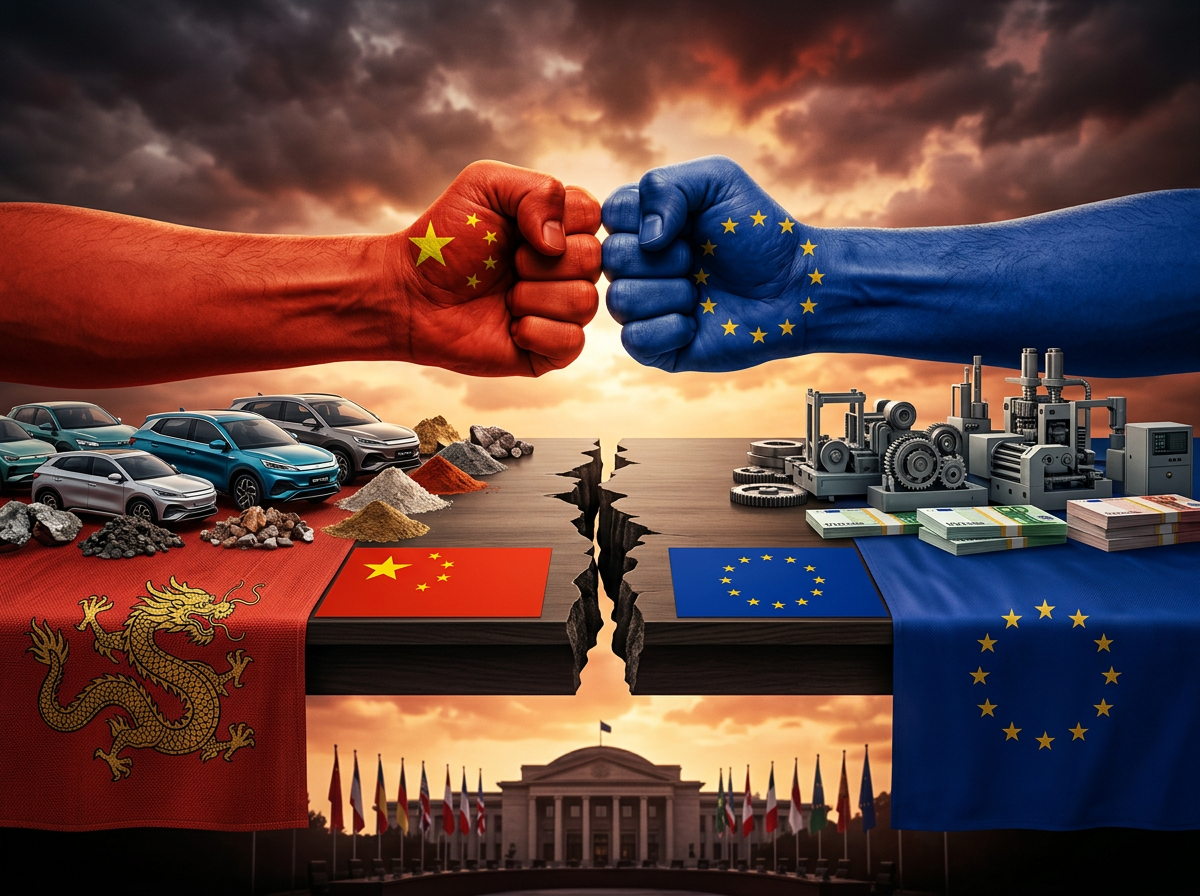
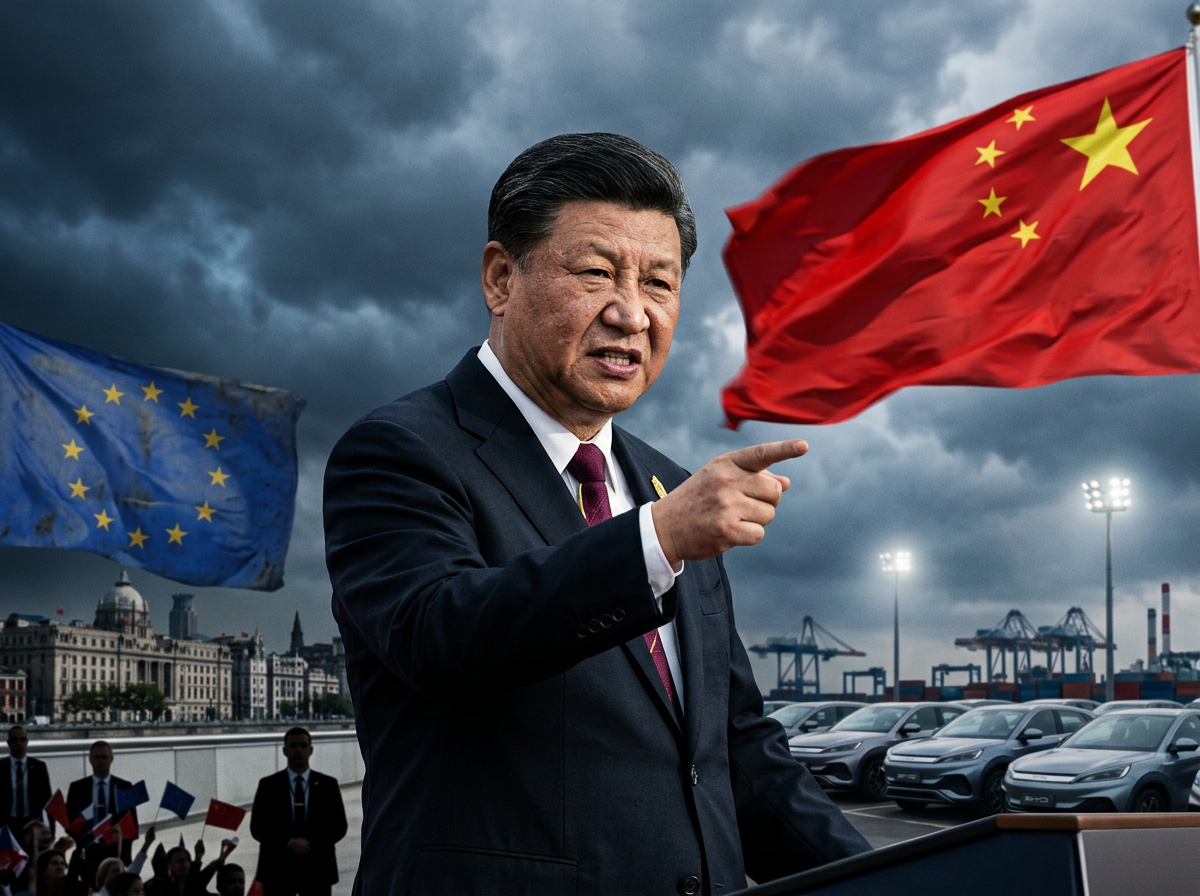
Beijing isn't waiting for Brussels to act - it's playing offense. China's Ministry of Commerce issued its warning on Saturday, just one day after the European Commission held internal consultations on trade policy toward China. The pressure playbook is well-rehearsed: Brussels deliberates, Beijing responds publicly and forcefully, without waiting for concrete decisions to land.
What This Story Is Really About
This is not a trade dispute about electric vehicles and tariffs. It's a contest over who sets the rules of economic engagement between the world's two largest trading blocs - and who pays when those rules change.
The EU has been steadily building a toolkit to shield itself from Chinese competition: tariffs on EVs, market practice investigations, restrictions targeting Chinese state subsidies. Beijing consistently frames each such move as "discrimination" and "protectionism" - and threatens symmetrical retaliation. Both sides invoke WTO principles. Both operate firmly within the logic of managed protectionism.
How This Hits Real Positions
Friday's European Commission consultations produced no decisions - they were groundwork for the G7 summit agenda and the EU summit in mid-June. In other words, Beijing responded to a meeting, not an action. That distinction matters: China is signaling that it reacts to intent, not just to fait accompli. This narrows Europe's room to maneuver.
The pressure points are specific. EU tariffs on Chinese EVs effectively close the European market to BYD and its rivals at the precise moment they are price- and technology-competitive. China's export controls on rare earth metals and other critical materials hit European industry where it is most exposed - deep in Chinese supply chains. Both sides have each other by a sensitive nerve, and both know it.
What Comes Next
Between now and the G7 and EU summits in June, both sides will escalate rhetoric while holding back concrete action. This is classic pre-negotiation positioning: enter the room with the hardest public stance possible, so that any compromise reads as the other side's concession.
The real risk lies elsewhere. European electoral cycles and industrial lobbying push Brussels toward harder restrictions. China, dealing with internal economic headwinds, cannot afford to lose the European market. This combination - domestic pressure on both sides, combined with a shared unwillingness to fully decouple - creates a conflict that is manageable in structure but unpredictable in its details.
For Russia, the space for maneuver remains. Trade friction between China and the EU makes Beijing more flexible toward Moscow on certain positions where Europe had previously served as an alternative.
What to Do
For businesses with European or Chinese supply chains, the next two months bring elevated uncertainty. Counterparties on both sides will operate in wait-and-see mode ahead of the June summits. Lock in current contract terms, avoid long-term commitments on product categories covered by existing or likely restrictions. Watch the G7 outcome closely - it will set the Western coalition's position on China for the next 12 to 18 months.








.png)
.png)

.png)
.png)